
Aircon Service Provider Review Before You Book
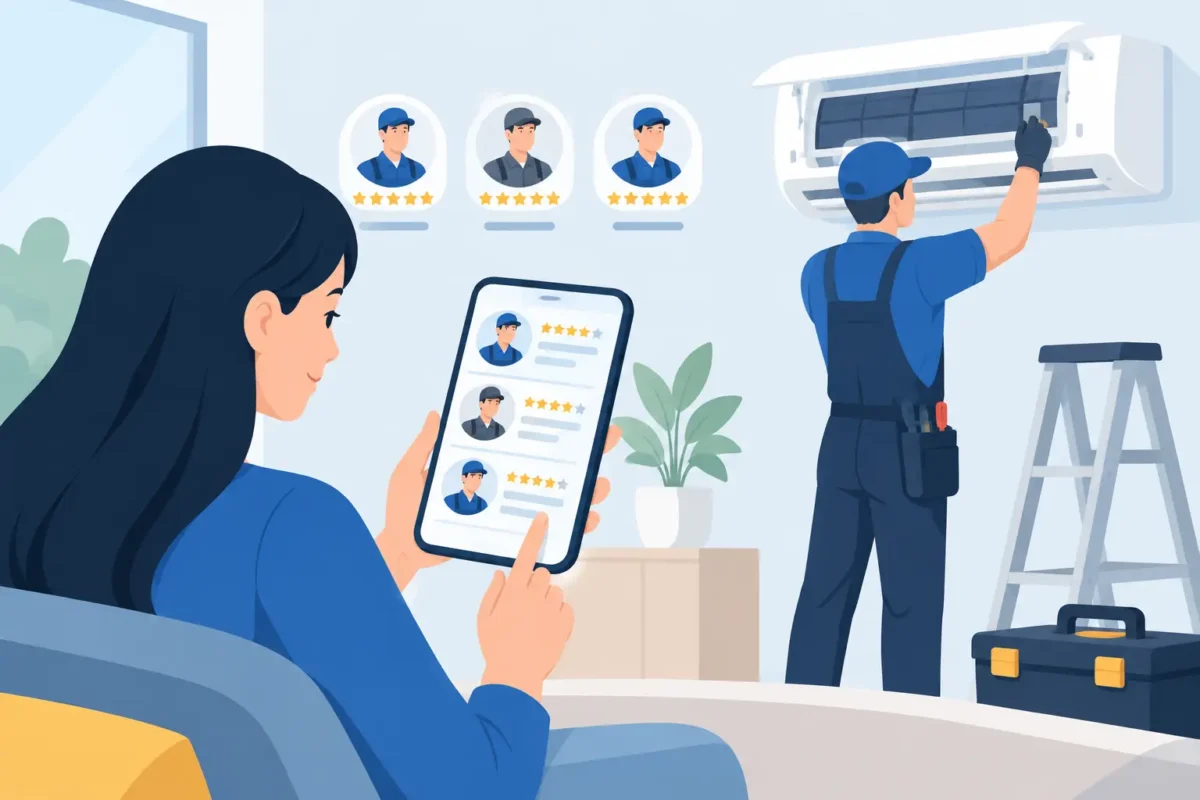
A good aircon service provider review should tell you more than whether a technician arrived on time. Your air conditioning system affects comfort, energy use, indoor air quality, and, for businesses, day-to-day operations. Before booking a service, look for evidence that a provider can diagnose the actual issue, explain the work clearly, and support the system after the visit.
For a homeowner, that may mean avoiding another warm night after an incomplete repair. For a facilities manager, it may mean preventing downtime across multiple units, protecting tenant comfort, or keeping a critical cooling environment stable. The right provider is not always the lowest-priced one. It is the one that matches the complexity and urgency of the job with capable, accountable service.
What an Aircon Service Provider Review Should Cover
Customer ratings are useful, but a star rating alone does not show why people were satisfied or disappointed. Read the written comments and look for patterns. Consistent feedback about punctuality, clear communication, tidy work, and successful repairs is more meaningful than a few short comments that simply say “good service.”
Pay close attention to how reviewers describe the problem they had. A review from someone who needed a basic cleaning is helpful if you need maintenance. It is less relevant if your system is leaking, making unusual noise, tripping power, or failing to cool a large commercial area. For complex work, look for reviews that mention diagnosis, parts replacement, system testing, and a clear explanation of what caused the problem.
It also helps to see how a provider handles imperfect situations. Air conditioning work can uncover concealed piping issues, worn components, drainage blockages, or equipment nearing the end of its useful life. A dependable company does not promise that every issue will be solved instantly. Instead, it communicates the finding, outlines reasonable options, and explains any added cost before moving ahead.
Look Beyond the Most Recent Reviews
Recent reviews matter because they reflect current staffing, response times, and service standards. Still, a longer history is valuable. A company that has served customers consistently over time is more likely to have established processes for scheduling, quality control, and follow-up.
Check whether the feedback covers more than one service type. A provider may be excellent at routine residential cleaning but not equipped for multi-unit offices, variable refrigerant flow systems, kitchen exhaust duct work, or specialized cooling equipment. The review should be relevant to the service you need.
Technician Skill Matters More Than a Quick Visit
A service call can look productive without solving the underlying problem. Cleaning visible filters, adding refrigerant, or resetting a unit may provide short-term relief, but the system should be checked for the reason the issue developed. For example, low refrigerant can point to a leak. Water dripping indoors may come from a blocked drain line, poor insulation, an incorrectly leveled unit, or a more serious fault.
A qualified technician should inspect the system methodically and explain the findings in plain language. You do not need a technical lecture, but you should understand what was checked, what was found, and what work is recommended. This is especially important when repair costs are significant or when a replacement is suggested.
For commercial and industrial sites, ask whether the provider has experience with the specific equipment and operating environment. Office systems, retail spaces, restaurants, and high-precision facilities have different cooling demands. A provider that understands ACMV systems, VRV or VRF configurations, chiller support, and planned maintenance can help reduce disruptions that a one-time repair approach may miss.
Compare Scope of Work, Not Just the Starting Price
Service pricing can be difficult to compare when companies use broad labels such as “general service,” “chemical wash,” or “repair package.” Before approving work, ask what is included. A clear quote should identify the number of units, the type of service, labor charges, parts if needed, and any conditions that could change the final price.
The lowest offer can be appropriate for straightforward scheduled maintenance, particularly when the scope is clearly defined. But a very low price may not include diagnostic time, drain flushing, coil cleaning, system testing, or follow-up support. If the price is unclear before the work begins, there is a higher chance of disagreement afterward.
A trustworthy provider will distinguish between maintenance and repair. Routine servicing is intended to keep the system clean and operating efficiently. Repair work addresses a fault, and the final cost may depend on the cause and the required parts. That distinction protects customers from expecting a maintenance visit to resolve every mechanical or electrical issue.
For landlords and facilities teams, transparent pricing is also useful for budgeting. Ask whether the provider offers recurring maintenance arrangements, documented service records, and pricing that is consistent across multiple units or locations. These details make it easier to plan rather than react to failures.
Responsiveness Should Include Clear Communication
Fast response is valuable when cooling stops during hot weather, when water is leaking near furnishings or equipment, or when a business space cannot operate comfortably. However, speed should not replace communication. A provider should confirm the appointment window, let you know if there is a delay, and explain what access or preparation is needed before the technician arrives.
For residential customers, this may be as simple as clearing the area around the indoor and outdoor units. For a commercial site, the provider may need to coordinate access, work around business hours, follow site safety procedures, or minimize disruption to customers and staff. The quality of that coordination is part of the service.
After the work is completed, you should know what was done and what to watch for. If a repair has a warranty or if further monitoring is recommended, that should be communicated clearly. Good service does not end when the technician leaves the site.
Maintenance Plans Can Prevent Repeat Problems
Air conditioning systems often show gradual warning signs before they stop working. Weak airflow, inconsistent temperatures, musty odors, higher utility bills, and recurring water leaks all deserve attention. Scheduled maintenance can reduce dirt buildup, support efficient operation, and identify wear before it becomes an urgent repair.
The right maintenance frequency depends on usage, occupancy, surrounding conditions, and equipment type. A lightly used home unit may have different needs than a busy office, restaurant, or facility with continuous cooling requirements. There is no single schedule that fits every system, which is why a provider should recommend service based on your actual setup rather than sell the same package to everyone.
A capable partner can also support related needs when appropriate, such as installation, appliance cleaning, duct service, or larger cooling system maintenance. This can be convenient, but convenience should not be the only reason to choose a company. The provider still needs the technical experience and service controls for each type of work.
Questions Worth Asking Before You Confirm
Before booking, ask what the visit includes, whether the technician will diagnose the cause of the problem, and how additional repairs are approved. Ask whether the provider has experience with your system type and whether it offers a clear record of the service performed.
If you manage a property or business, ask about scheduling flexibility, preventive maintenance plans, reporting, and escalation procedures for urgent faults. For specialized environments, confirm that the company can support the required equipment and understands the cost of downtime.
Easy Cool Engineering supports both everyday residential air conditioning needs and more demanding commercial cooling requirements. That range matters when customers want a provider that can handle routine maintenance today while offering capable support as their property, equipment, or operational needs change.
The best booking decision comes from specific evidence: relevant customer feedback, clear scope and pricing, trained technicians, and communication that remains helpful after the visit. When those basics are in place, air conditioning service becomes less of a gamble and more of a practical step toward dependable comfort.