
Can Aircon Worsen Asthma? What to Check
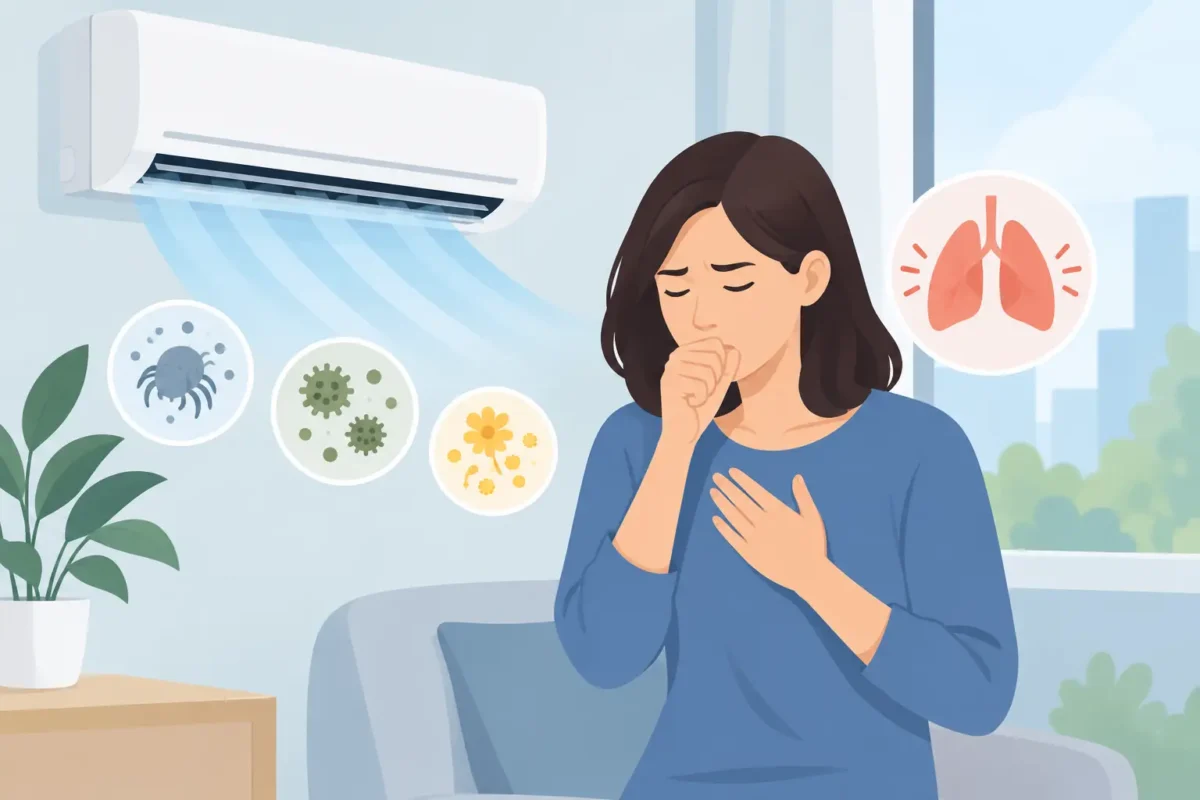
A bedroom can feel perfectly cool at bedtime, yet leave someone coughing, wheezing, or waking up tight-chested before morning. So, can aircon worsen asthma? Yes, it can contribute to symptoms for some people – but the air conditioner itself is not usually the root cause. Cold, dry air, poor maintenance, hidden moisture, and airborne irritants are more often the problem.
For people with asthma, the goal is not necessarily to stop using air conditioning. It is to create cool indoor conditions that are clean, comfortably humid, and free from the triggers that make breathing harder.
Can Aircon Worsen Asthma? The Short Answer
Air conditioning can aggravate asthma when it delivers air that is too cold, too dry, dusty, or contaminated with mold and other allergens. A sudden blast of cold air may irritate sensitive airways and cause them to narrow. Dry air can also make the nose and throat feel irritated, especially overnight when a person is breathing conditioned air for several hours.
That does not mean every asthma flare-up is caused by the system. Seasonal allergies, respiratory infections, pet dander, smoke, cleaning products, and stress can all affect asthma control. Still, if symptoms happen mainly in air-conditioned rooms or improve when the system is off, the indoor environment deserves a closer look.
A well-maintained system may actually help many people with asthma. It can reduce outdoor pollen, traffic pollution, and humidity when doors and windows are kept closed. The difference comes down to system condition, temperature settings, airflow, and the health needs of the person using the space.
Why Air Conditioning Can Trigger Symptoms
Cold air can irritate sensitive airways
Some people with asthma are particularly sensitive to cold, fast-moving air. Air delivered directly toward the face, chest, or bed can provoke coughing, chest tightness, or wheezing. This is more likely when the temperature is set very low and the fan speed is high.
A moderate setting is generally more comfortable than turning the thermostat down aggressively. Redirecting louvers away from beds, sofas, desks, and workstations also helps prevent direct exposure. Cool a room gradually rather than creating a sharp temperature change after coming in from hot weather.
Dry air can make breathing less comfortable
Cooling removes moisture from the air. In a humid climate, that can be welcome and can help limit dust mites and mold. But excessively dry indoor air may irritate the airway lining and make asthma symptoms feel worse for some people.
There is a balance to maintain. Too much moisture encourages mold growth and dust mites, while air that is very dry can feel harsh on the throat and nose. If a room feels dry despite normal temperature settings, a technician can check whether the system is oversized, running unusually long cycles, or moving air in a way that creates discomfort.
Dirty filters and coils can circulate irritants
An air conditioner does not create dust, pollen, pet dander, or mold spores, but it can collect and redistribute these particles if components are dirty. Filters are the first line of defense. When they are clogged, airflow drops and contaminants may continue circulating through the room.
Evaporator coils, blower wheels, drain pans, and indoor drain lines can also accumulate dirt and moisture. In the right conditions, that buildup can support microbial growth and create musty odors. A musty smell when the unit starts is not something to ignore, particularly in a bedroom or in spaces used by children, older adults, or anyone with respiratory conditions.
Moisture problems can lead to mold
Air conditioning should remove moisture and drain it away properly. When drainage is blocked or insulation is damaged, condensation can collect around the unit, behind walls, or near ducts. Mold may grow where it is not immediately visible.
If there is a persistent damp odor, water dripping from an indoor unit, staining near vents, or recurring mold around the system, cleaning the visible surface is rarely enough. The source of moisture must be identified and corrected. Otherwise, the problem will return.
Signs Your Air Conditioner May Be Affecting Asthma
Timing matters. Pay attention to whether coughing, wheezing, shortness of breath, congestion, or itchy eyes appear after the air conditioner starts, while sleeping in one room, or when sitting near a specific vent. Symptoms that lessen when leaving the room can also point to an indoor-air issue.
Other practical clues include weak airflow, uneven cooling, higher-than-usual dust around supply vents, unusual noises, water leaks, and stale or musty smells. These signs do not confirm an asthma trigger on their own, but they are good reasons to inspect and service the system.
If a person has severe shortness of breath, trouble speaking, bluish lips or face, or symptoms that do not improve with their prescribed rescue treatment, seek urgent medical care. Air conditioner adjustments should support an asthma plan, not replace medical guidance.
How to Use Aircon More Comfortably With Asthma
Start with settings that avoid extremes. Many households find a moderate indoor temperature, usually around 72 to 76 degrees Fahrenheit, more comfortable than a very cold room. Individual needs vary, so the best setting is one that cools the space without causing chills, dryness, or direct cold airflow.
Keep the air stream pointed away from people whenever possible. In bedrooms, angle louvers upward or toward an open area rather than at the pillow. In offices, move a workstation if a vent blows directly onto the face or upper body throughout the day.
Regular maintenance is just as important as temperature. Homeowners can check and replace or clean accessible filters according to the equipment manufacturer’s guidance and household conditions. A home with pets, high dust levels, frequent cooking, or nearby construction may need more frequent attention.
For a more complete approach, schedule professional service when cooling performance changes, odors appear, leaks develop, or the system has not been cleaned for an extended period. A proper service visit can assess filters, coils, drainage, blower components, and overall operation rather than simply masking an odor with fragrance.
Helpful habits include:
- Keep windows and doors closed during high-pollen, smoky, or high-pollution periods when using air conditioning.
- Vacuum and dust regularly, especially near return vents and bedroom furniture.
- Address water leaks promptly instead of waiting for a scheduled maintenance visit.
- Avoid spraying strong fragrances, aerosol cleaners, or insecticides near an operating unit or return vent.
- Use exhaust ventilation while cooking to reduce smoke, grease, and fine particles indoors.
Portable air cleaners may also help in certain rooms, particularly bedrooms, but they are not a substitute for correcting a dirty or damp air-conditioning system. The right setup depends on the size of the room, the source of particles, and how well the existing system is maintained.
What Landlords and Facility Managers Should Watch For
For rental homes, offices, retail spaces, and other shared environments, asthma-friendly cooling is an operational issue as well as a comfort issue. One occupant may notice a musty smell before anyone else sees a leak. Taking that report seriously can prevent larger moisture damage, complaints, and avoidable downtime.
Maintenance records are useful because they show whether filter changes, coil cleaning, drain servicing, and inspections are occurring on schedule. In larger systems, uneven temperatures or repeated odor complaints may indicate a broader airflow, ventilation, or controls issue. The fix may be simple, but it should be based on a proper assessment rather than repeated thermostat adjustments.
Commercial spaces also need to consider activities that add indoor pollutants. Kitchen fumes, cleaning chemicals, printer emissions, renovation dust, and crowded rooms can increase the load on HVAC systems. Good cooling performance is only part of healthy indoor air. Ventilation, filtration, housekeeping, and moisture control work together.
When to Speak With a Clinician
If asthma symptoms are becoming more frequent, nighttime coughing is disrupting sleep, or rescue medication is needed more often, contact a healthcare professional. They can review triggers, medications, and an individualized asthma action plan. It may help to keep a brief record of symptoms, room conditions, and whether the air conditioner was running.
For children and older adults, do not assume persistent coughing is simply a reaction to cold air. A medical evaluation can rule out other causes and help identify whether asthma treatment needs to change.
Comfortable cooling should let people rest, work, and sleep without wondering whether the next breath will feel difficult. If symptoms seem tied to aircon use, begin with simple setting changes, then address cleanliness, drainage, and airflow before the issue becomes a larger indoor-air problem.