
Inverter Versus Non-Inverter Aircon: Which Fits?
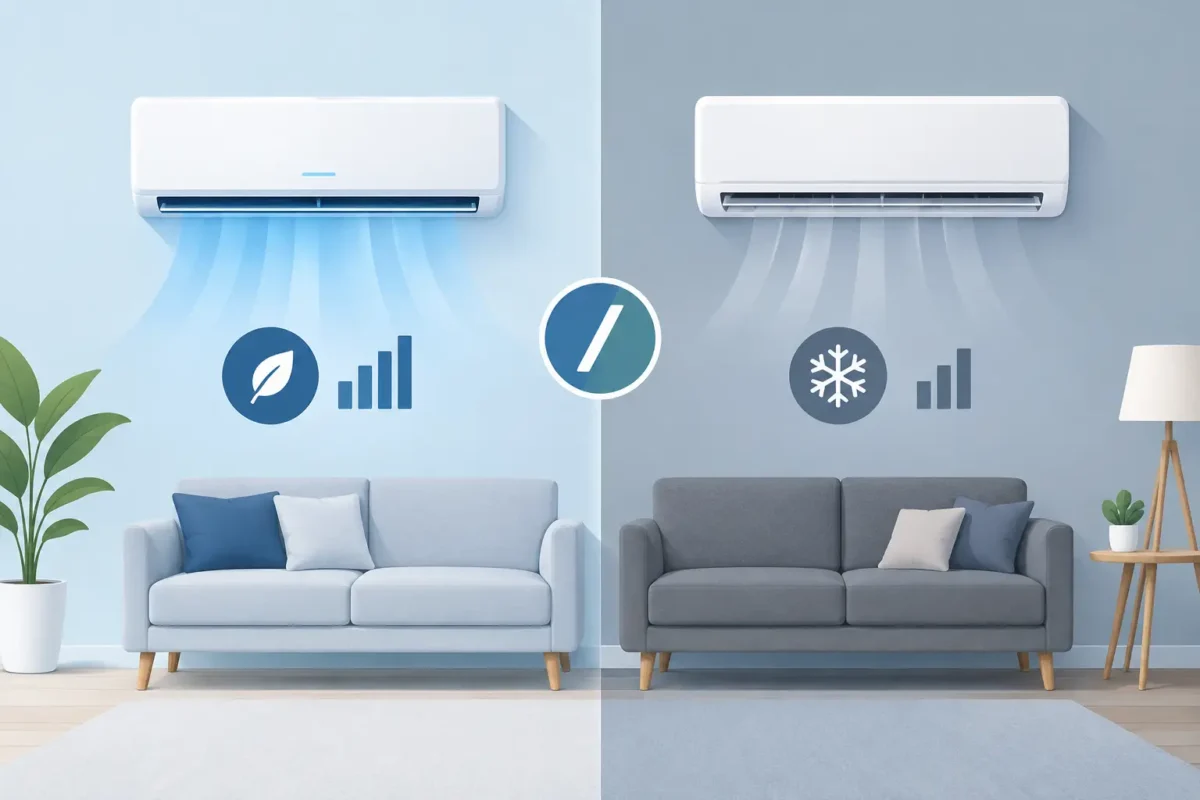
A cooling system that runs for hours on hot days can have a noticeable effect on comfort, utility bills, and even sleep quality. The inverter versus non inverter aircon decision is not simply about buying the more expensive unit. It is about matching the system to how often you use it, how stable you want room temperatures to feel, and what your property needs over time.
For many homes and businesses, an inverter model is the practical long-term choice. But a non-inverter unit can still make sense in rooms with limited use or where upfront budget is the main concern. The right answer starts with understanding how each system operates.
Inverter Versus Non-Inverter Aircon: The Key Difference
The compressor is the part of an air conditioner that moves refrigerant and removes heat from a room. A non-inverter air conditioner generally operates at one main speed. When the room reaches the selected temperature, the compressor shuts off. Once the temperature rises again, it restarts at full power.
An inverter air conditioner adjusts compressor speed instead of repeatedly switching fully on and off. After bringing the room to the desired temperature, it slows down and uses only the cooling output needed to maintain it. This variable operation is the reason inverter systems are often associated with better efficiency and steadier comfort.
“Inverter” does not mean the unit can run during a power outage by itself. It refers to the electronic controls that regulate compressor speed. Both system types still need proper electrical supply, correct installation, and regular maintenance to perform as intended.
Energy Use: Where Inverter Systems Usually Stand Out
Air conditioners use the most electricity when they work hard to cool down a warm room. A non-inverter unit may repeat that high-demand startup cycle several times a day. Inverter technology reduces the need for those full-power restarts by allowing the compressor to ramp up or down gradually.
That can lower electricity use when an AC runs for extended periods, especially in bedrooms used nightly, living spaces occupied all day, busy offices, and retail environments with regular customer traffic. The savings are not identical for every property. They depend on the size of the room, insulation, sun exposure, thermostat setting, local utility rates, and whether the system is correctly sized.
If you run an AC only occasionally, the difference in operating cost may be less meaningful. A guest room used a few weekends a year, for example, may not generate enough runtime to justify paying substantially more for inverter technology. For a primary bedroom used every night, the calculation is often different.
It is also worth looking beyond a product label or advertised efficiency number. An oversized unit may cool a space quickly but fail to run long enough to manage humidity well. An undersized unit can run constantly and still struggle to hold the temperature. Proper load assessment matters as much as choosing inverter or non-inverter equipment.
Comfort, Noise, and Humidity Control
The most noticeable benefit of an inverter aircon is often not the utility bill. It is the consistency. Because an inverter compressor can continue operating at a lower capacity, room temperatures tend to fluctuate less. You are less likely to experience the familiar pattern of feeling very cold after startup, then warm again while the system is off.
This gradual operation can also make inverter systems quieter after the room has cooled. The compressor and fan do not need to restart at maximum output as often, which can be helpful in bedrooms, home offices, meeting rooms, clinics, and other noise-sensitive spaces.
Humidity is another consideration. Cooling systems remove moisture as they operate, but performance varies with equipment selection, controls, and indoor conditions. A correctly sized inverter system can support more stable moisture removal during longer, lower-speed operation. That may make the air feel more comfortable without forcing the thermostat to an excessively low temperature.
Non-inverter equipment can still cool a room effectively. However, its on-and-off cycling may create wider temperature swings and more noticeable changes in sound. For a space used briefly, that trade-off may be acceptable. For areas where people work, sleep, or gather for long periods, it may be less appealing.
Upfront Price Versus Long-Term Cost
Non-inverter air conditioners commonly cost less to purchase. Their design is simpler, and the lower initial price can be attractive when replacing a unit on a tight budget or cooling a seldom-used space.
Inverter systems typically cost more upfront because of their variable-speed compressor and electronic control components. The higher purchase price should be evaluated against expected usage. If a system operates daily for many years, lower energy consumption and improved comfort can make the initial investment worthwhile. If usage is light, the payback period may be longer.
Maintenance costs deserve a balanced view as well. Both types need clean filters, clear drain lines, clean coils, proper refrigerant levels, and periodic professional inspection. Neglect can reduce efficiency, increase energy use, and shorten equipment life regardless of compressor type.
When a major component fails, inverter electronics can be more specialized and potentially more expensive to diagnose or replace than parts in a basic non-inverter system. That is one reason installation quality and preventive service matter. A qualified technician can confirm electrical connections, drainage, refrigerant charge, airflow, and control operation before small issues become larger repairs.
Which Aircon Type Is Right for Your Property?
An inverter system is usually a strong fit when cooling is part of daily life. Consider it for a main living area, a frequently occupied bedroom, a home office, or a commercial space that needs stable conditions throughout business hours. It is also a sensible option where quieter operation and more even temperatures are priorities.
A non-inverter system may be suitable for a rarely used room, a short-term property need, or a project where the initial equipment budget is limited. It can also be a practical replacement when system compatibility or electrical constraints make a straightforward solution preferable.
For commercial properties, the choice should not be based on unit price alone. Offices, restaurants, retail locations, and facilities may have varying occupancy, heat-producing equipment, ventilation requirements, and operating schedules. Larger systems such as multi-zone, VRV, or VRF installations need a more detailed review of load, zoning, controls, maintenance access, and downtime risk.
Installation Quality Can Change the Result
Even the most efficient inverter AC will disappoint if it is installed poorly. Refrigerant piping must be correctly sized and sealed. The indoor and outdoor units need appropriate placement and clearance. Condensate drainage must be reliable, and the electrical supply must meet the manufacturer’s requirements.
A professional assessment should consider the room dimensions, ceiling height, window exposure, insulation, number of occupants, and equipment that produces heat. For businesses, it should also account for occupancy patterns and operational hours. These details help avoid selecting equipment that is too large, too small, or poorly positioned for the space.
Regular servicing protects either choice. Cleaning filters is a simple routine task, but deeper service may include checking coils, blowers, drains, connections, and performance readings. If you notice weak airflow, water leaks, unusual noises, recurring odors, or rising energy bills, schedule an inspection rather than waiting for a complete breakdown.
Make the Choice Based on How You Actually Use Cooling
There is no universal winner in the inverter versus non-inverter aircon comparison. Inverter technology generally delivers better efficiency, quieter operation, and more stable comfort for regularly used spaces. Non-inverter equipment can remain a sensible, cost-conscious choice for light or occasional use.
Before purchasing, focus on the room, the expected hours of operation, and the quality of the installation plan. A properly sized system, installed and maintained by skilled technicians, gives you the best chance of dependable cooling long after the first day it is switched on.