

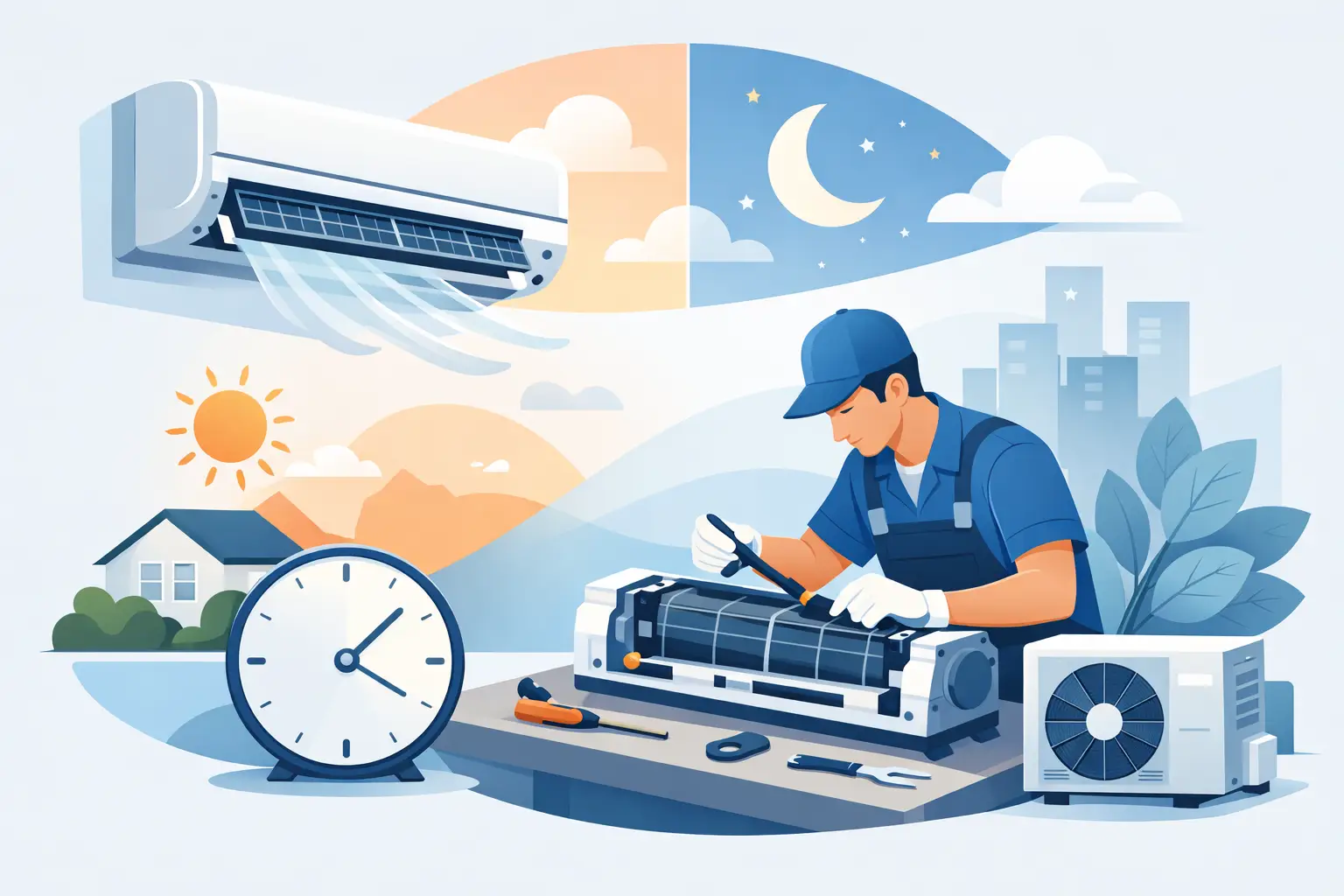
A system that cools slowly on a hot afternoon, leaks after running for an hour, or produces a persistent musty smell is not simply inconvenient. It may be telling you that routine servicing is no longer enough. The best time for aircon overhaul is usually before those symptoms become a breakdown, when you can plan the work around your household or business schedule instead of reacting to an urgent loss of cooling.
An aircon overhaul is a deeper service than standard cleaning. It is designed for units with significant dirt buildup, drainage issues, reduced performance, or recurring faults. Choosing the right time helps protect comfort, control disruption, and give the technician a clearer opportunity to restore the system properly.
What an Aircon Overhaul Is Meant to Solve
Regular aircon servicing focuses on keeping a working system clean and operating efficiently. An overhaul is more appropriate when dirt, moisture, and residue have built up in places that routine maintenance cannot fully address. Depending on the condition and type of unit, the work may involve dismantling key components for detailed cleaning, flushing drainage parts, inspecting electrical connections, checking the blower and evaporator coil, and assessing whether worn parts need replacement.
This is particularly useful for air conditioners that have been neglected, run heavily every day, or continue to show the same problem after normal servicing. A thorough overhaul can help improve airflow, reduce odors, address water leakage caused by a clogged drainage system, and support more consistent cooling.
It is not a replacement for a repair when a component has failed. If there is a refrigerant leak, damaged control board, faulty compressor, or other mechanical issue, the technician should diagnose and explain the required repair. The right recommendation depends on the unit’s condition, age, usage pattern, and maintenance history.
The Best Time for Aircon Overhaul Is Before Peak Demand
For most homes and businesses, the best time to schedule an overhaul is before the period when the system will be used most heavily. If your area has a hot season, arrange the service in the milder weeks beforehand. You avoid discovering poor cooling performance when every room depends on the air conditioner, and you have more flexibility if follow-up repairs or parts are needed.
For year-round warm climates, timing is less about the calendar and more about your usage cycle. Schedule an overhaul during a period when you can manage without one room or a zone of cooling for several hours. A homeowner may choose a weekday when the family is out. An office may prefer a quieter business day, after operating hours, or a planned maintenance window.
Waiting until the system is under maximum strain has a trade-off. The symptoms may be more obvious, but appointment availability can be tighter and the disruption can feel greater. Planned maintenance gives you more control.
For homeowners and landlords
Consider booking an overhaul before a move-in date, after a renovation, or before the hottest stretch of the year. Renovation dust can quickly settle inside indoor units and affect airflow. A vacant unit is also easier to service thoroughly, without needing to work around daily routines, furniture, or tenants.
Landlords can benefit from inspecting and servicing air conditioners between tenancies. It creates a cleaner handover, helps identify leaks or weak cooling early, and reduces the risk of tenant complaints shortly after move-in. If a system has been operating daily for years with only basic cleaning, a professional assessment can determine whether an overhaul is worthwhile.
For offices, retail spaces, and facilities
Commercial systems often run longer hours and serve more people, so a decline in performance can affect comfort, productivity, and customer experience. Plan overhauls around lower-occupancy periods, scheduled shutdowns, tenant fit-outs, or after-hours access.
Facilities managers should also consider the condition of the wider system. A dirty indoor unit may be only one part of the problem. For larger ACMV, VRV, or multi-zone installations, an experienced technician can assess drainage, controls, airflow, and operating demands across the affected areas. The goal is to reduce unplanned downtime rather than simply respond to one complaint at a time.
Signs You Should Not Wait for a Convenient Date
Planning ahead is ideal, but certain signs call for a prompt inspection. If an indoor unit is leaking water, switch it off if water is near electrical fixtures or if the leak is substantial, then arrange professional service. Continued operation can cause ceiling, wall, floor, or equipment damage.
A sharp drop in cooling performance also deserves attention, especially when the thermostat settings have not changed. Restricted airflow from heavy dirt buildup is one possible cause, but it can also indicate a refrigerant issue, faulty fan, sensor problem, or compressor-related fault. An overhaul may help only if cleaning is the root cause, which is why proper diagnosis matters.
Other warning signs include repeated bad odors, loud or unusual noises, ice forming on the unit or refrigerant lines, frequent tripping, and a noticeable increase in electricity use. Do not assume every issue requires the same service. A reliable technician should explain what was found and recommend the work that fits the problem.
How Often Should an Aircon Be Overhauled?
There is no single schedule that suits every air conditioner. A lightly used bedroom unit in a clean home may not need an overhaul for a long time if it receives regular servicing. A living room unit that runs daily, a rental property with changing occupants, or a commercial space exposed to dust, cooking residue, or heavy foot traffic may need deeper cleaning sooner.
Usage is only one factor. Pets, nearby construction, smoking, poor ventilation, and skipped maintenance can all increase buildup. In many cases, routine servicing at appropriate intervals is the best way to delay the need for an overhaul. It keeps filters, coils, blowers, and drainage components from reaching a heavily soiled condition.
Instead of booking an overhaul automatically every year, monitor performance and have a technician assess the unit during regular service. This approach can be more cost-effective and helps ensure you pay for the level of care the system actually needs.
Prepare for the Appointment to Reduce Disruption
An overhaul takes more time than a standard service because it involves more detailed work. Before the appointment, clear the area beneath and around the indoor unit, move valuables and electronics away from the workspace, and make sure the technician can access the outdoor condenser if needed.
For businesses, notify occupants if one area will be temporarily warmer or if access to a room must be restricted. For homes, plan for noise and limited use of the affected unit during the service. If several systems need attention, ask whether the work can be staged so that not every room loses cooling at once.
It also helps to share the unit’s symptoms in advance. Mention when the leakage occurs, whether the issue affects one unit or several, how long the problem has been present, and whether previous repairs were performed. Clear information helps the technician arrive prepared and makes the assessment more efficient.
Choose an Overhaul Based on Condition, Not Just Price
The lowest advertised price is not always the best value if the scope of work is unclear. Ask what is included, whether the unit will be dismantled where necessary, how drainage and electrical components will be checked, and whether replacement parts or refrigerant are charged separately when required.
A professional service provider should be clear about what an overhaul can reasonably achieve. Cleaning can improve a dirty system, but it cannot restore a damaged compressor or solve every cooling problem. Honest recommendations help homeowners avoid unnecessary work and help commercial clients budget for maintenance, repairs, or replacement with fewer surprises.
Easy Cool Engineering approaches cooling service with that practical focus: assess the system, explain the condition clearly, and recommend the work needed to keep it operating reliably.
The most convenient appointment is rarely the best one if you are already dealing with a leak, weak cooling, or an unexpected shutdown. Schedule an assessment when performance first changes, and give your air conditioner attention before comfort becomes an emergency.