
How Chiller Contractors Protect Critical Cooling
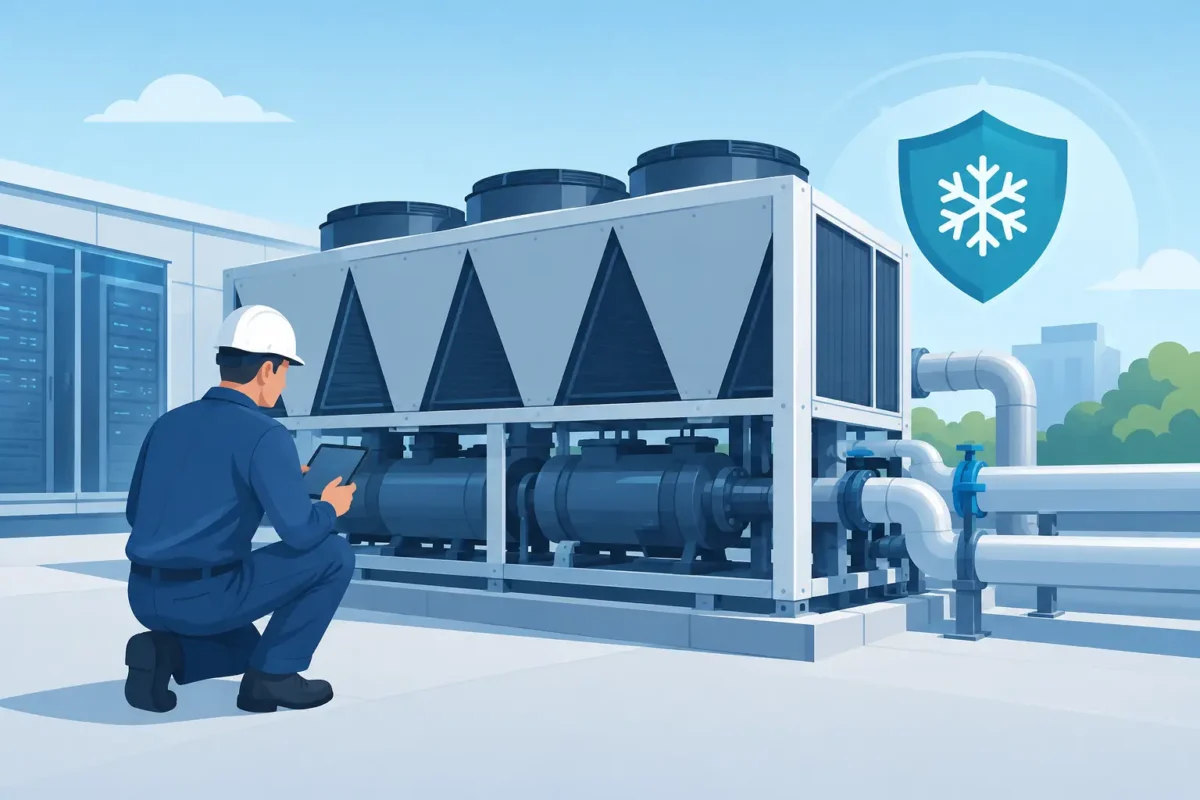
A chiller failure rarely arrives at a convenient time. It can interrupt tenant comfort, put temperature-sensitive equipment at risk, slow production, and create a costly emergency response. For facilities that depend on central cooling, choosing capable chiller contractors is not simply a repair decision. It is part of protecting daily operations.
The right service partner helps a facility move from reacting to alarms and complaints to managing equipment condition with greater confidence. That means understanding the system, spotting issues before they become failures, communicating clearly, and completing work with minimal disruption.
What Chiller Contractors Are Responsible For
Chillers remove heat from water that is circulated through a building or process. They are commonly used in offices, retail properties, hotels, healthcare settings, data environments, industrial sites, and precision-controlled facilities. Because the chiller is only one part of a larger cooling system, service work must account for connected equipment such as pumps, cooling towers, air-handling units, piping, controls, and water treatment systems.
Experienced chiller contractors assess how those components are working together. A recurring complaint about warm spaces, for example, may be caused by a chiller capacity issue, but it could also come from poor water flow, fouled heat-transfer surfaces, a control fault, a failed sensor, or a problem farther downstream in the air distribution system.
A dependable contractor should be able to support planned maintenance, troubleshooting, repairs, component replacement, system upgrades, performance checks, and operational recommendations. The scope depends on the equipment type and site requirements. Air-cooled chillers, water-cooled chillers, modular systems, and process chillers each have different service priorities.
Why Preventive Chiller Service Matters
Waiting until cooling performance drops can turn a manageable issue into an expensive outage. Small changes in operating pressure, water temperature, vibration, electrical readings, or refrigerant condition may indicate developing problems long before the system stops completely.
Preventive service creates a useful record of those changes over time. Instead of looking at a single reading in isolation, technicians can compare current performance with previous visits and identify trends. A gradual loss of efficiency may point to fouling, refrigerant concerns, worn mechanical components, or a controls issue that needs attention.
Maintenance also supports energy management. Chillers can represent a significant portion of a commercial building’s energy use, especially in warm climates or facilities with extended operating hours. Clean heat-exchange surfaces, correct water flow, calibrated controls, and properly functioning components all help the system operate closer to its intended performance.
The goal is not to promise that every failure can be prevented. Equipment ages, parts wear out, and unexpected events happen. The value of preventive maintenance is reducing avoidable risk, improving planning, and allowing facilities teams to make decisions before an urgent shutdown forces the issue.
A Maintenance Plan Should Match the Site
There is no single maintenance schedule that suits every chiller. A lightly used office system has different demands from a retail site that operates daily, a commercial kitchen environment with high heat loads, or a precision facility where temperature stability is essential.
Service frequency should reflect operating hours, equipment age, cooling load, environmental conditions, manufacturer guidance, and the impact of downtime. A critical site may also require more detailed monitoring, faster response arrangements, backup planning, and carefully scheduled work windows.
How to Choose Chiller Contractors
Technical capability matters, but it should not be the only consideration. The best fit is a contractor that understands the operational pressure behind the work. Facilities managers need clear findings, realistic recommendations, proper documentation, and technicians who respect site access procedures and safety requirements.
Start by asking about experience with your specific chiller type and application. A contractor familiar with comfort cooling may be a good fit for an office building, while a semiconductor, laboratory, or process environment may need technicians with deeper experience in high-precision cooling systems. The consequences of a temperature fluctuation are not the same across every site.
Also ask how the contractor approaches diagnosis. A professional assessment should go beyond replacing the first part that appears suspicious. The technician should verify symptoms, review operating data, inspect related components, and explain the likely cause in practical terms. This makes repair recommendations easier to evaluate and helps prevent repeat callouts for the same unresolved issue.
Communication is equally important. A service report should describe the work completed, measurements or observations that matter, parts replaced, issues requiring follow-up, and any recommended next steps. When a repair is significant, the contractor should explain the urgency, the operational risk of waiting, expected downtime, and available options.
For many sites, responsiveness is a deciding factor. Fast attendance is valuable during an outage, but a rushed repair without proper diagnosis can create another problem later. Look for a partner that combines timely support with organized planning and clear updates throughout the job.
What a Professional Service Visit May Include
The details vary by equipment and maintenance agreement, but a thorough chiller visit commonly includes inspection of operating conditions, electrical components, controls, refrigerant circuits, water flow, pumps, safety devices, and visible mechanical condition. For water-cooled systems, cooling tower performance and water quality may also affect chiller operation and should not be overlooked.
Technicians may review entering and leaving water temperatures, pressure readings, current draw, alarms, vibration, noise, and system staging. These checks help establish whether the chiller is meeting demand efficiently and safely. If readings fall outside normal ranges, further testing may be needed before a repair recommendation is made.
Cleaning is another important consideration. Dirt, scale, biological growth, and debris can reduce heat transfer and place extra strain on the system. The correct cleaning method depends on the equipment design, condition, water treatment approach, and manufacturer requirements. Aggressive cleaning without proper assessment can create its own risks, so it should be handled by trained personnel.
Repairs, Upgrades, and the Cost of Waiting
When a chiller needs repair, the lowest initial quote is not always the lowest operating cost. A temporary fix may be appropriate when a facility needs immediate cooling while a larger repair is planned. In other cases, repeated short-term repairs can increase downtime, labor costs, energy use, and the chance of a more serious failure.
A good contractor will help distinguish between an urgent corrective repair and an improvement that can be scheduled. They should also be honest when replacement or modernization deserves consideration. Older equipment may still be serviceable, but parts availability, efficiency, reliability, refrigerant requirements, and expected future repair costs should all be part of the discussion.
Upgrades can include controls improvements, variable-speed components, replacement of aging pumps, better monitoring, or a phased equipment replacement plan. The right path depends on budget, remaining equipment life, load profile, and whether the facility can tolerate downtime. Not every older chiller needs immediate replacement, but every major decision should be based on condition and operating needs rather than guesswork.
Supporting Critical and Precision Cooling
For semiconductor and other precision-controlled environments, cooling performance has a direct relationship to process stability, equipment protection, and operational continuity. These applications often require tighter temperature control, disciplined maintenance procedures, detailed reporting, and careful coordination with on-site teams.
The contractor must understand that even routine work may need to be planned around production schedules, cleanroom protocols, restricted access, or redundancy requirements. Changes to controls, flow rates, or equipment staging should be made carefully and documented clearly.
Easy Cool Engineering supports both everyday cooling needs and specialized chiller service requirements, helping customers coordinate practical maintenance and responsive technical support around their operating priorities.
Questions to Ask Before Signing a Service Agreement
Before appointing a contractor, discuss what is included in planned visits, how emergency calls are handled, and what reporting you will receive afterward. Confirm whether the provider can source or manage critical spare parts and whether they can support associated ACMV equipment when the issue extends beyond the chiller itself.
It is also useful to establish escalation contacts, site safety procedures, service windows, and approval steps for repairs. These details may seem administrative, but they make a major difference when a fault occurs outside normal hours or a rapid decision is needed.
The strongest contractor relationship is built before the emergency. When technicians know the equipment history, site team, and operating expectations, they can respond with better context and fewer delays. A well-maintained chiller does more than keep a building cool – it gives the people responsible for it a calmer, more predictable day.