

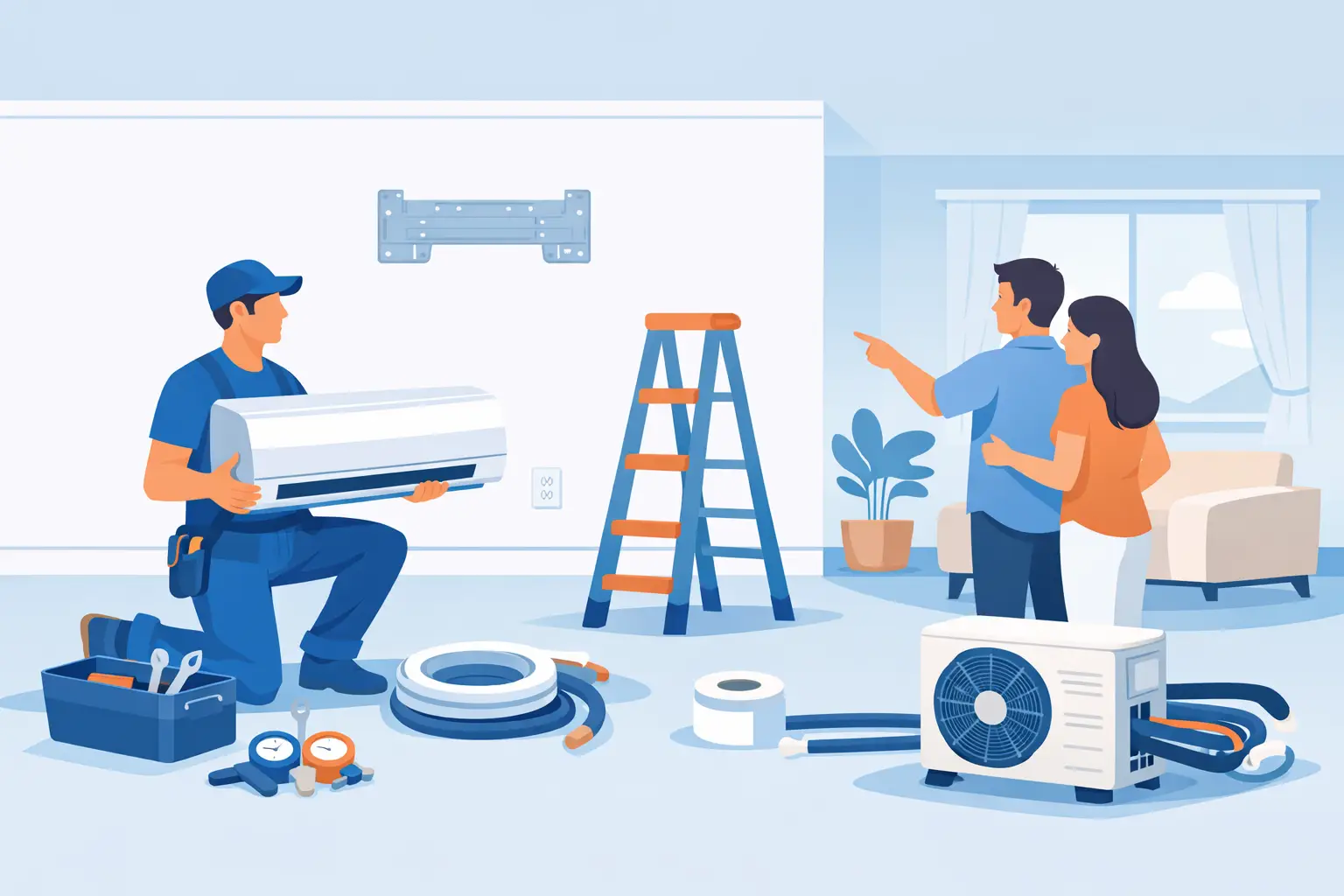
The day before a new AC system goes in is usually when small oversights become obvious – blocked access, unanswered placement questions, or a room full of furniture that makes the job harder than it needs to be. If you are wondering how to prepare for aircon installation, the goal is simple: make the work area safe, make decisions early, and help the installation team do a clean, efficient job.
Good preparation does more than save time on installation day. It can help avoid delays, reduce the risk of wall or floor damage, and give your new system the best chance of performing the way it should from the start. Whether you are replacing one residential unit or fitting out a larger commercial space, the same principle applies: a little planning leads to a smoother result.
Why preparation matters before installation
Air conditioning installation is not just about mounting an indoor unit and turning it on. The team may need clear wall space, access to electrical points, a route for piping and drainage, and enough room to handle tools and materials safely. In some properties, they may also need to coordinate outdoor condenser placement, building rules, or existing system removal.
When these details are settled ahead of time, the work is usually faster and more predictable. When they are not, the installer may have to pause and confirm decisions on the spot, which can add time and stress. For homeowners, that may mean a longer service visit. For offices or retail spaces, it can mean more disruption to daily operations.
How to prepare for aircon installation at home or work
The most useful starting point is to think about access. Your installer needs a practical path from the entrance to the installation area. If there are tight hallways, fragile items, or furniture directly under the proposed unit location, clear them before the team arrives.
For homes, move lightweight furniture, wall decor, and electronics away from the installation zone. Cover larger items if they cannot be moved. For commercial spaces, make sure staff know which areas will be worked on and keep the route free for technicians carrying equipment.
This does not mean emptying the whole room. It means creating enough working space for ladders, tools, and safe movement. If access is limited, mention it before the appointment so the installer can plan accordingly.
Confirm the exact unit location
One of the most common causes of delay is last-minute uncertainty about placement. Before installation day, confirm where the indoor and outdoor units will go. This decision should take into account airflow, wall strength, drainage, and service access, not just appearance.
For an indoor unit, avoid locations where airflow is blocked by beams, shelves, or tall cabinets. It should also not blow directly onto a bed, desk, or seating area if that will make the room uncomfortable. For outdoor units, make sure there is enough ventilation around the condenser and that the chosen spot complies with property or building requirements.
In apartments, condos, and managed commercial buildings, approved installation points may already be defined. If so, check them early. If placement is flexible, ask your installer what trade-offs to expect. The neatest-looking location is not always the best one for performance or future servicing.
Check the electrical setup
Your new air conditioning system needs the right electrical support. In some cases, the existing supply is suitable. In others, upgrades may be needed, especially when replacing an older unit with a different capacity or installing multiple systems.
Before the appointment, confirm whether your installer expects any electrical preparation. If a dedicated circuit, isolator, or upgraded wiring is required, it is better to know in advance than discover it mid-installation. This is especially important in older homes and commercial premises with heavier equipment loads.
If you are unsure, do not guess. Share photos, past system details, or site information ahead of time so the technical team can advise properly.
Prepare the wall, window, or ceiling area
The installation surface matters more than many people expect. The wall or mounting area should be sound, accessible, and free from anything that could interfere with secure fitting. Remove shelves, frames, clocks, and decorative panels near the planned indoor unit location.
If the installation involves a ceiling cassette or concealed system, access panels and ceiling space should be ready as well. In offices or commercial interiors, that may mean coordinating with building management or your facilities team before work begins.
It is also worth checking for hidden issues such as water damage, loose plaster, or recent renovations that may affect drilling or mounting. If the wall has been newly painted, let the installer know. Fresh paint does not always prevent installation, but it may affect handling and finishing expectations.
Make room for piping and drainage
An air conditioning system needs more than power. It also needs a proper path for refrigerant piping, communication cable, and drainage. If drainage planning is poor, you may end up with future leaking, visible trunking in awkward places, or a layout that is harder to maintain.
Ask where the drain line will run and whether any visible casing will be used. Some customers prioritize a cleaner appearance, while others want the shortest and most practical route. There is no single right answer, but it helps to decide before work starts.
If you are in a commercial setting, drainage and routing may also need to fit around other services in the ceiling or plant area. That is another reason early site review matters.
Plan for pets, children, and daily activity
Installation day can be noisy and busy. Drilling, lifting, and movement in and out of the property are normal. If you have pets or young children, plan ahead so they stay safely away from the work zone.
For homeowners, that might mean keeping pets in a separate room and arranging activities for children during the main installation period. For businesses, it may mean scheduling work during lower-traffic hours or temporarily restricting access to certain areas.
A safe, controlled environment helps everyone. It protects your family, staff, and technicians, and it allows the work to proceed without unnecessary interruption.
Be ready to discuss old unit removal
If you are replacing an existing system, ask what happens to the old unit. Removal is often part of the project, but the scope can vary. Some jobs involve straightforward replacement using similar locations and connections. Others reveal aged piping, damaged brackets, or drainage issues that should be corrected rather than reused.
This is one of those areas where it depends on the condition of the existing setup. Reusing parts can sometimes save time, but only if those parts are still in good shape and suitable for the new system. A reliable installer will explain when reuse is acceptable and when replacement is the better long-term choice.
Have key decisions and approvals ready
If you rent your property, get landlord approval before the work is scheduled. If you live in a managed building, check whether installation permits, timing restrictions, or condenser placement rules apply. For commercial sites, make sure the person approving the work is available if technical questions come up.
It also helps to keep product details, warranty documents, and any prior service records on hand. The technician may not need all of them, but having them ready can make communication easier.
What to expect on installation day
Once the team arrives, they will usually confirm placement, protect the immediate area as needed, begin mounting and connection work, and then test the system after installation. The final stage should include checking airflow, cooling performance, drainage, and basic operation.
This is the right time to ask practical questions. Find out how to operate the remote or controller, what cleaning routine is recommended, and when servicing should be scheduled. If you are installing multiple units in a home or business, ask whether usage settings should differ by room.
A professional installation should not leave you guessing. Clear handover matters just as much as the physical setup.
A few last checks before the team arrives
If you want a smooth appointment, do one final walk-through. Make sure the work area is accessible, parking or entry instructions have been shared, and any building access arrangements are confirmed. If someone needs to be present to authorize decisions, make sure they are available.
For both homeowners and commercial customers, preparation is really about removing avoidable friction. That is where experienced providers make a difference. A capable team will guide the technical side, but the best results come when the site is ready and expectations are clear from the start.
When installation day is planned well, the process feels less like a disruption and more like progress toward a cooler, more comfortable space.