

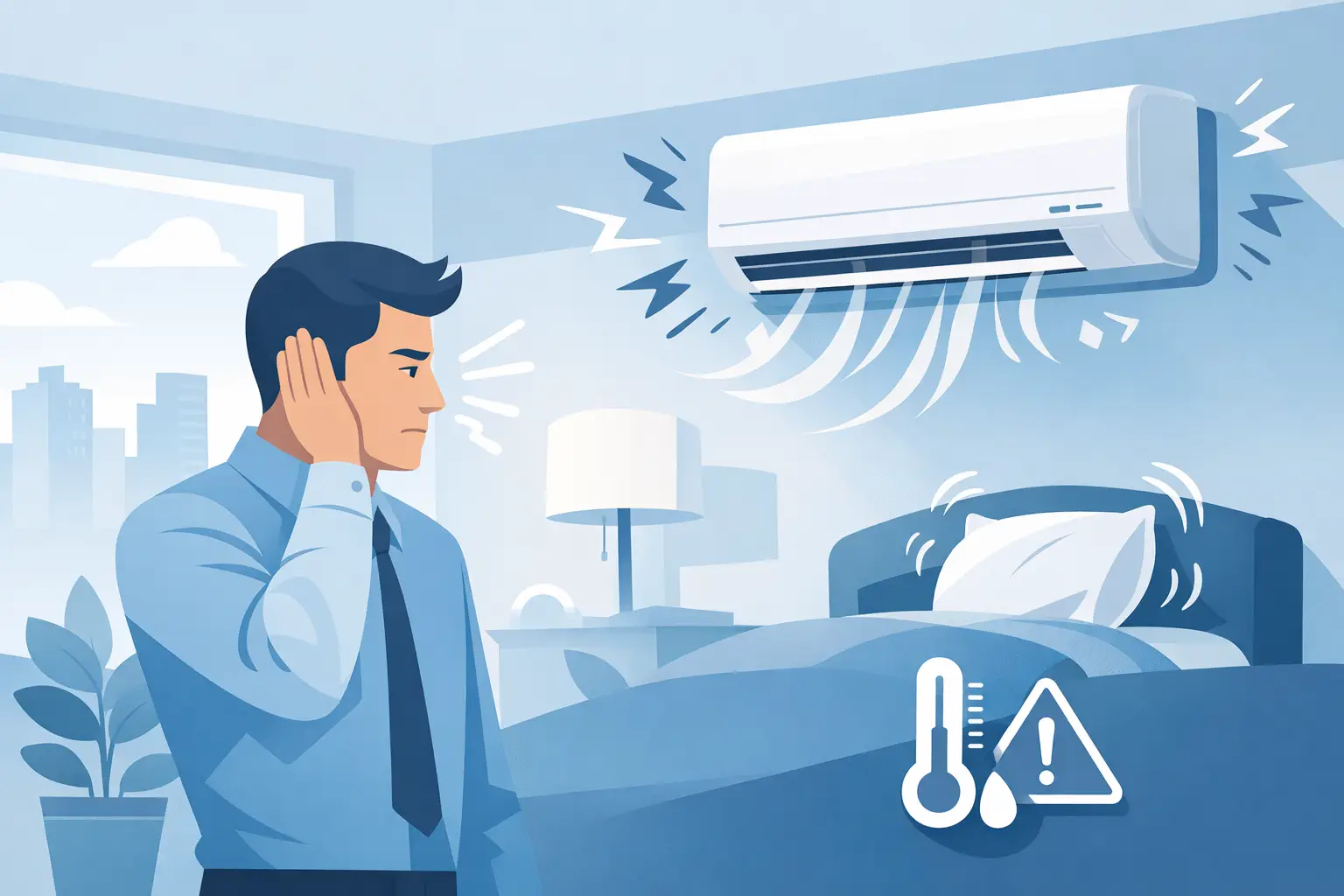
A steady hum is normal when an air conditioner starts up. A new rattle that keeps you awake, a sharp screech from the outdoor unit, or a loud banging sound is not. If you are asking, is noisy aircon a serious problem, the honest answer is that it depends on the sound, when it occurs, and whether cooling performance has changed. Some noises point to a minor loose part. Others can signal an electrical, mechanical, or refrigerant-related fault that should not be ignored.
For homeowners, early attention can prevent an inconvenient breakdown during hot weather. For offices, retail spaces, and facilities with critical equipment, unusual AC noise can also mean disrupted operations, higher energy use, and avoidable equipment damage.
Is Noisy Aircon a Serious Problem? It Can Be
An air conditioner has moving parts, fans, motors, piping, and electrical components. It will not be completely silent. The concern begins when a familiar operating sound becomes noticeably louder, changes in character, or appears alongside weak airflow, warm air, water leaks, odors, short cycling, or unusually high utility bills.
A noise is more likely to be serious when it is sudden and loud, continues after the unit has been switched off, or comes with a burning smell, visible water, or repeated tripping of the circuit breaker. In these cases, turn the system off if it is safe to do so and arrange a professional inspection. Continuing to run a damaged system can turn a repairable issue into a more expensive component replacement.
That said, not every sound requires an emergency call. A brief click at startup, a soft rush of air through vents, or a mild expansion sound as parts warm and cool may be normal. The key is to identify whether the noise is new, persistent, and paired with other warning signs.
What Different Air Conditioner Noises May Mean
Rattling or vibrating
Rattling is often caused by something loose. It may be a panel, screw, bracket, fan guard, or section of ductwork. A dirty filter can also restrict airflow and make the system work harder, sometimes increasing vibration.
In a window or split system, check that accessible covers are properly closed and that nothing is touching the outdoor unit. Do not remove electrical covers or reach inside the equipment. If the rattle remains, a technician should inspect the fan assembly, mounting hardware, and internal components. Persistent vibration can loosen more parts over time.
Banging, clanking, or knocking
A banging sound deserves prompt attention. It can indicate a loose or damaged blower wheel, fan blade, compressor component, or mounting part. In central systems, it may also come from ducts expanding or contracting, although that usually sounds more like a brief pop than repeated banging.
If the sound is forceful, repetitive, or accompanied by reduced cooling, switch the air conditioner off and schedule a repair. Running the system with an unbalanced fan or loose mechanical part can cause further damage to the motor, housing, or compressor.
Squealing, screeching, or grinding
High-pitched squealing can point to a failing motor bearing, worn belt in older equipment, or a fan motor problem. Grinding is especially concerning because it often suggests metal parts are rubbing or bearings are deteriorating.
These are not noises to monitor for weeks. Motors may overheat or seize if the underlying fault is not corrected. A qualified HVAC technician can determine whether the issue is limited to a replaceable part or whether the motor assembly needs more extensive work.
Hissing or bubbling
A brief hiss from refrigerant movement may occur under normal operation, but ongoing hissing or bubbling should be checked. It can indicate a refrigerant leak, pressure issue, or problem with the expansion device. Refrigerant is essential to cooling performance, and low refrigerant can leave the system running longer while delivering less comfort.
Do not attempt to add refrigerant yourself. Proper diagnosis requires checking for leaks, testing system pressures, and confirming that the unit is operating within manufacturer specifications.
Buzzing or electrical humming
A low electrical hum can be normal. A loud buzz, particularly if the unit struggles to start, may indicate a failing capacitor, loose wiring, faulty contactor, or compressor issue. If you notice a burning odor, smoke, sparking, or a breaker that trips, stop using the system and seek urgent professional assistance.
Electrical faults are not a DIY repair. Even a small wiring issue can create safety risks or damage sensitive system controls.
Clicking that does not stop
One or two clicks when the thermostat calls for cooling can be expected. Repeated clicking, however, may mean the system is trying and failing to start. This can be related to a thermostat issue, relay, capacitor, control board, or compressor.
If the unit clicks repeatedly but does not cool, turn it off rather than letting it cycle unsuccessfully. This reduces strain on the equipment while the problem is being assessed.
When You Can Check a Few Basics First
Before booking service for a mild noise, there are a few safe checks that can help. Replace or clean the air filter if it is dirty, make sure supply and return vents are not blocked by furniture, and clear leaves or loose debris from around an outdoor condenser unit. Check whether the noise happens only when the fan runs, only when cooling starts, or continuously.
It is also useful to note the location of the sound. Is it coming from the indoor unit, outdoor unit, vents, or the wall near refrigerant lines? Record a short video from a safe distance if the sound is intermittent. This gives the technician a clearer starting point and can make diagnosis more efficient.
Avoid tightening internal parts, opening panels near wiring, bending fan blades, or using sealants on refrigerant lines. These actions can create safety problems, void warranties, or conceal the actual cause of the noise.
Why Waiting Can Cost More
A noisy air conditioner may still cool the room, which makes it tempting to delay service. But sound is often the first sign of wear. A worn bearing may later damage a motor. A loose fan can strike its housing. Restricted airflow can contribute to frozen coils and water leaks. A refrigerant problem can reduce efficiency and place extra load on the compressor.
For commercial properties, the impact can spread beyond one uncomfortable room. Poor cooling can affect employee comfort, customer experience, stored goods, server rooms, or equipment that requires stable temperatures. Facilities with VRV, ACMV, chiller, or specialized cooling systems should treat unusual operational noise as part of proactive maintenance, not merely a nuisance.
Routine maintenance helps technicians identify loose components, blocked drainage, dirty coils, worn electrical parts, and airflow issues before they become disruptive failures. It also provides a chance to assess whether the system is correctly sized and operating efficiently for the space.
Know When to Call for Service
Arrange a professional inspection soon if the noise is new, worsening, loud enough to be heard across the room, or paired with poor cooling. Call more urgently if there is an electrical smell, smoke, water near electrical components, ice on refrigerant lines, a tripped breaker, or loud banging and grinding.
A dependable service provider should inspect the full operating condition rather than simply quieting the symptom. That means checking airflow, filters, drainage, electrical controls, fan motors, coils, refrigerant performance, and mounting components as needed. Easy Cool Engineering takes this practical approach, helping residential and commercial customers understand what is causing the noise and what repair or maintenance is appropriate.
Do not wait for a small sound to become the day your air conditioner stops working. A timely check can protect comfort, reduce disruption, and give you a clearer answer before the problem grows.