

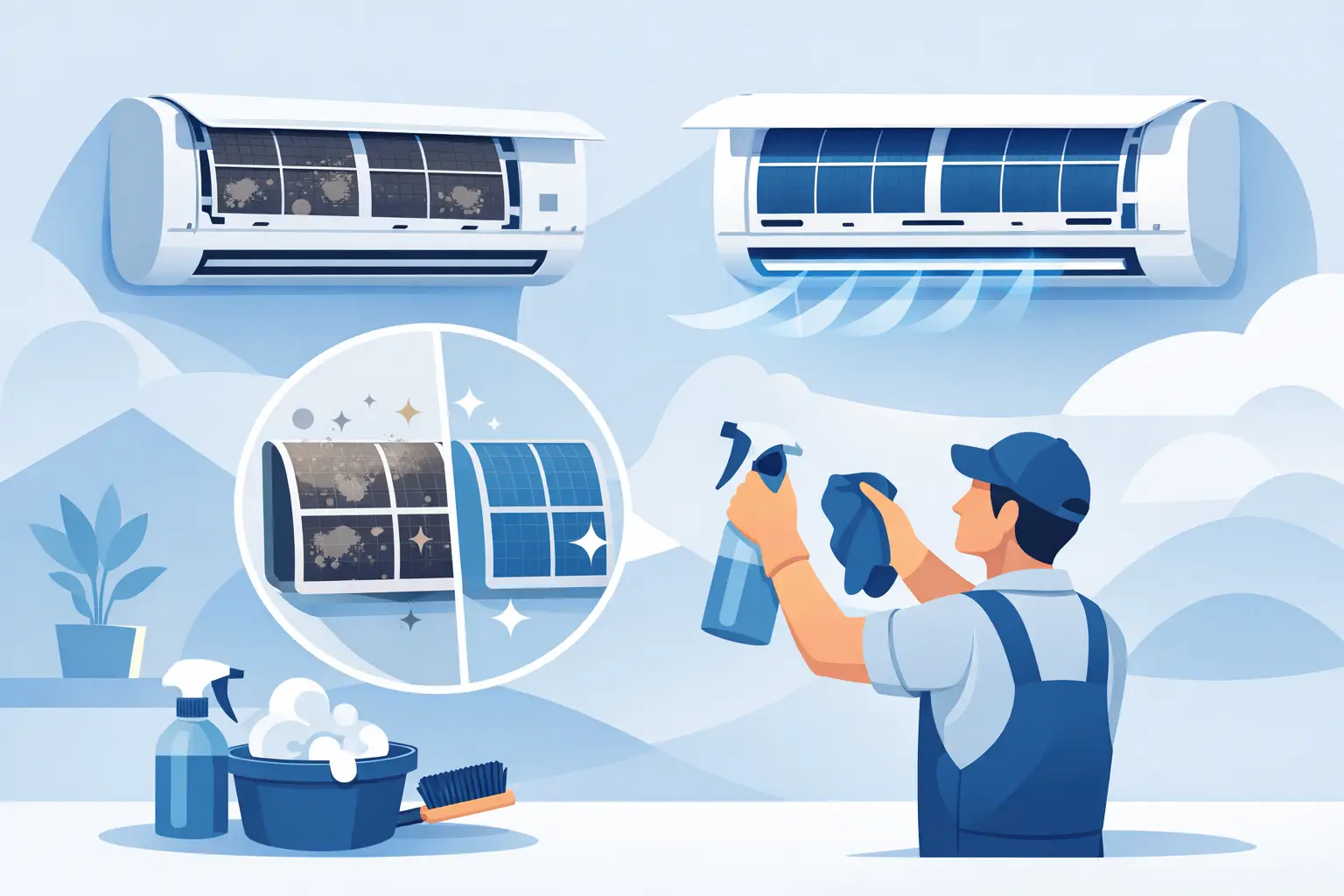
If your air conditioner is still running but the room feels warmer, smells stale, or takes longer to cool, the question usually comes up fast: when should aircon be cleaned? For most homes and businesses, the answer is not just based on a calendar. It depends on how often the system runs, how dusty the environment is, and whether early warning signs are already showing up.
A clean air conditioning system does more than blow colder air. It helps the unit run with less strain, supports more consistent airflow, and reduces the chance of dirt buildup turning into a larger repair issue. For homeowners, that means better comfort and fewer surprises. For offices, shops, and other commercial spaces, it means less disruption and a more dependable indoor environment.
When should aircon be cleaned in a typical home?
For a standard residential unit, a light cleaning and routine servicing every three to six months is a practical range. If the air conditioner runs every day, especially in a warm climate, the shorter end of that range usually makes more sense. A guest room unit that is only used occasionally may not need attention as often.
That said, frequency alone is not the full picture. Two homes can have the same model air conditioner and very different cleaning needs. A home with pets, open windows, nearby construction, or heavy daily use will collect dirt much faster than a quieter, cleaner indoor environment.
The easiest way to think about it is this: if the system is used heavily, clean it more often. If use is lighter, you may be able to stretch the interval a bit, as long as performance stays steady.
Signs your aircon should be cleaned sooner
Sometimes the air conditioner tells you clearly that waiting is not a good idea. Weak airflow is one of the most common signs. If the fan is on but the room is not cooling as it should, dust and debris may be restricting the filter, coil, or blower.
Unusual odors are another sign that should not be ignored. A musty smell can point to moisture and dirt buildup inside the unit. In some cases, that can affect indoor air quality and make the room feel less comfortable even when the temperature looks fine.
You should also pay attention to water leaks, louder operation, and rising energy bills. None of these automatically means the system only needs cleaning, but they often start with neglected buildup. Cleaning at the right time can prevent a small issue from becoming a service call for a more serious fault.
If people in the space are sneezing more often or complaining that the room feels stuffy, the aircon may also be overdue for cleaning. Dirty filters and internal components can affect airflow quality, not just cooling output.
Why waiting too long creates bigger problems
Air conditioners work by moving air across internal parts that need to stay reasonably clean to operate efficiently. When filters clog and coils collect grime, the system has to work harder to do the same job. That extra strain can lead to uneven cooling, longer run times, and more wear on key components.
In homes, that often shows up as rooms taking too long to cool or units that never seem to switch off. In commercial settings, the impact can be larger. A poorly maintained system can affect staff comfort, customer experience, and operating costs all at once.
There is also a cost trade-off. Cleaning too often without reason may be unnecessary. But waiting until a unit is underperforming, leaking, or freezing up can lead to repair bills that routine maintenance might have helped avoid. The right timing sits between those two extremes.
When should aircon be cleaned for offices and commercial spaces?
Commercial systems usually need a more structured maintenance schedule because operating hours are longer and usage is less forgiving. An office air conditioning system that runs through the workweek will often need cleaning more regularly than a residential split unit. Retail stores, clinics, restaurants, and shared buildings may need even closer attention because foot traffic, dust, grease, and occupancy levels can all affect system cleanliness.
For many commercial spaces, monthly inspections with scheduled cleaning based on usage are a safer approach than waiting for complaints. Systems in food-service environments or high-demand facilities may need more frequent cleaning because airborne particles and continuous operation accelerate buildup.
This is where a tailored service plan matters. A one-size-fits-all schedule may sound simple, but it rarely fits every property. A small office and a busy kitchen exhaust-connected cooling setup do not face the same operating conditions.
Seasonal timing matters, but usage matters more
Many people assume air conditioners should be cleaned only before summer. That can be a good time to service the system, especially before heavy demand starts, but it should not be the only trigger. If the unit has been running hard for months, or if indoor conditions are dusty, the need for cleaning may come well before the season changes.
In warmer regions where air conditioning is used most of the year, fixed seasonal servicing is less useful than tracking actual system use. A unit that runs almost daily will collect dirt steadily, regardless of the month.
A practical approach is to schedule servicing before peak-use periods and then monitor performance in between. That gives you both preventive care and flexibility.
Basic cleaning versus deep cleaning
Not every service visit is the same. Basic aircon cleaning usually includes filter cleaning, surface checks, drainage inspection, and removal of ordinary dirt from accessible components. This is the kind of routine care that helps keep performance stable over time.
Deep cleaning, sometimes called chemical cleaning or a more thorough internal wash, is usually needed when dirt buildup is heavier, cooling has dropped noticeably, or the system has gone too long without maintenance. This is not something every unit needs on every visit. Done too often without clear reason, it may add unnecessary cost. Done too late, it may mean the unit has already been under strain for too long.
The best choice depends on condition, not guesswork. If airflow is weak, odors are persistent, or drainage problems keep returning, a more thorough cleaning may be appropriate.
Should you clean the aircon yourself?
Homeowners can handle simple maintenance such as cleaning washable filters if the manufacturer allows it. This helps reduce dust buildup between service visits and supports better airflow. It is one of the easiest ways to keep a unit performing more consistently.
But internal cleaning is different. Coils, blowers, drain lines, and electrical components need careful handling. Improper cleaning can damage parts, miss the real issue, or push dirt deeper into the system. If there is leaking, poor cooling, unusual noise, or persistent odor, professional servicing is the safer choice.
For businesses, professional maintenance is usually the better standard from the start. Downtime costs more than the service itself, and the system often supports a larger space with more people depending on it.
A simple schedule that works for most properties
If you want a clear starting point, residential units used regularly should be checked every three to six months. Heavily used units, homes with pets, or dusty environments should lean closer to every three months. Light-use rooms may be able to wait longer if there are no warning signs.
Commercial systems should be reviewed on a planned schedule based on operating hours and site conditions. High-use or specialized environments need closer attention than standard offices. A reliable service provider can help set a schedule that matches the actual load on the system instead of using a generic timeline.
Companies like Easy Cool Engineering often see the same pattern across homes and businesses: systems that are cleaned on time tend to cool more consistently, experience fewer preventable issues, and stay easier to manage over the long term.
The best time to clean your aircon is before poor performance becomes impossible to ignore. If the air feels weaker, the room takes longer to cool, or the unit simply does not seem as reliable as before, that is usually your cue to act sooner rather than later.