

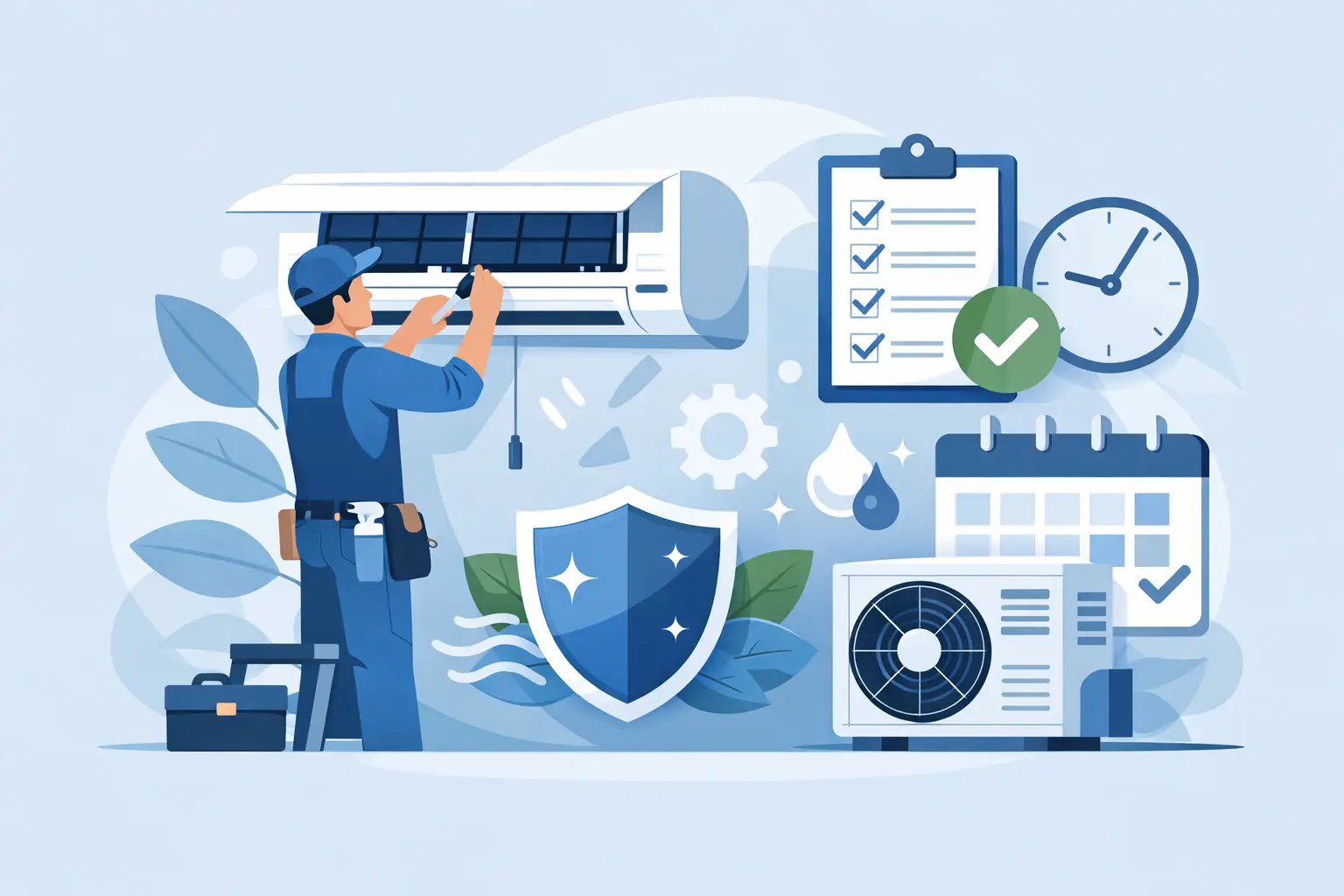
That moment when your air conditioner starts blowing weaker air on a hot afternoon is usually not random. In many cases, it is the result of small issues building up over time – dirty filters, clogged drainage, worn parts, or reduced refrigerant performance. That is why the benefits of scheduled aircon servicing are not just about keeping a unit clean. They are about preventing disruptions, protecting your equipment, and keeping your space comfortable when you need it most.
For homeowners, regular servicing helps avoid the stress of sudden breakdowns and high utility bills. For offices, retail spaces, and other commercial environments, it supports consistent performance and fewer interruptions to daily operations. A scheduled approach is simply more reliable than waiting for something to go wrong.
Why scheduled aircon servicing pays off
Air conditioning systems rarely fail all at once. More often, performance drops gradually. The airflow gets weaker, cooling takes longer, strange smells appear, or water starts leaking from the unit. These problems can look minor at first, but they often point to dirt buildup, blocked components, or wear that will become more expensive if left alone.
Scheduled servicing helps catch those issues early. A technician can inspect the system, clean key components, test performance, and spot signs of trouble before they turn into repair calls. This saves money over time, but it also saves inconvenience, which matters just as much in a home, office, or tenant property.
There is also a practical cost difference between preventive maintenance and emergency repair. A planned service visit is controlled and predictable. A breakdown during peak heat, especially if multiple rooms or work areas are affected, usually is not.
The main benefits of scheduled aircon servicing
Lower energy use
When an air conditioning system is dirty or partially blocked, it has to work harder to deliver the same cooling result. Dust on filters, evaporator coils, or condenser components restricts airflow and reduces heat exchange. That means the unit runs longer and uses more electricity.
Regular servicing helps restore normal operating efficiency. Clean parts, proper drainage, and checked system performance all contribute to smoother operation. Over time, that can reduce unnecessary energy consumption and keep monthly utility costs more manageable.
The savings vary depending on the age of the unit, how often it runs, and the condition it was in before servicing. A heavily used system in a warm climate will often show more noticeable improvement than a newer unit that already receives decent care. Still, in both cases, efficient operation is one of the clearest long-term benefits.
Fewer unexpected breakdowns
Breakdowns are rarely convenient. At home, they disrupt sleep, comfort, and daily routines. In a business setting, they can affect staff productivity, customer experience, or equipment conditions. If the space depends on stable cooling, the impact can be even more serious.
Scheduled servicing reduces the chance of sudden failure because the system is being checked at regular intervals. Technicians can identify loose electrical connections, drainage issues, worn components, or signs of strain before they lead to a full shutdown.
This does not mean servicing eliminates every repair. Some parts still fail with age, and external factors can cause problems. But a maintained system is generally more dependable than one left unattended for long periods.
Better cooling performance
If a room takes longer to cool than it used to, the air conditioner may still be running, but not at its best. Reduced airflow, dirty internal parts, and minor mechanical issues can all affect performance. You may notice uneven temperatures, constant cycling, or a system that never seems to reach the thermostat setting comfortably.
Routine servicing helps keep cooling output consistent. Clean coils and filters support proper airflow, and inspections help confirm that the system is operating within normal performance ranges. For both homes and commercial spaces, this means better comfort without needing to push the unit harder than necessary.
This is especially important in multi-room properties, offices, retail stores, and tenant units, where comfort complaints can quickly become a larger issue.
Benefits of scheduled aircon servicing for air quality
Cooling is only part of the job. Your air conditioner also affects the air moving through the space every day. When filters and internal components collect dust, moisture, and debris, that buildup can contribute to stale smells and lower indoor air quality.
Regular servicing helps remove dirt and contaminants from the parts most directly involved in airflow. That often leads to fresher air, cleaner circulation, and a more comfortable indoor environment. In homes with children, older adults, or people sensitive to dust, this can make a noticeable difference.
In commercial settings, cleaner airflow also matters for employee comfort and customer-facing spaces. An office or shop that smells musty or feels stuffy creates the wrong impression, even if the temperature looks fine on paper.
It is worth noting that servicing is not the same as solving every indoor air issue. If a property has ventilation problems, excess humidity, or external contamination sources, those may need separate attention. Still, keeping the air conditioning system clean is an essential step.
Longer equipment lifespan
Air conditioning systems represent a real investment, whether you are managing one unit in an apartment or multiple systems across a commercial property. Replacing equipment earlier than expected is costly, and poor maintenance is one of the reasons units wear out faster.
When a system runs under strain for long periods, components experience more stress. Motors work harder, drainage problems create added risk, and dirt buildup interferes with normal operation. Scheduled servicing helps reduce that strain and supports more stable performance over the life of the unit.
A well-maintained system is generally more likely to reach its expected service life than one that only gets attention after it develops a fault. That does not guarantee every unit will last the same number of years, because usage patterns and installation quality also matter. But regular care gives the system a better chance to perform well for longer.
Reduced risk of leaks and water damage
Aircon leaks are one of the most common service complaints, especially in residential settings. A blocked drain line, dirty tray, or moisture-related issue can lead to dripping water, stained walls, damaged ceilings, or wet flooring.
Scheduled servicing helps reduce this risk by keeping drainage pathways clear and checking for early signs of blockage or overflow. Catching the issue early is far better than discovering it after water has already caused damage to nearby surfaces or furnishings.
For landlords and property managers, this matters beyond comfort. Small aircon leaks can become maintenance disputes, tenant complaints, or avoidable repair costs.
A better maintenance plan means better cost control
One of the less obvious benefits of scheduled aircon servicing is financial predictability. When maintenance is planned, you can budget for it. When servicing is delayed until the unit performs poorly or stops working, the cost can become much less predictable.
That is true for homeowners, but even more so for commercial and industrial environments. A restaurant, office, server room, or specialized cooling setup may not be able to tolerate long periods of weak or failed cooling. In those cases, preventive servicing supports business continuity as much as it supports equipment health.
Working with a reliable service partner also makes a difference. A provider that understands both routine household systems and more demanding commercial applications can recommend a servicing schedule based on actual usage, equipment type, and operating conditions rather than a one-size-fits-all plan. That practical approach is part of what customers value from experienced teams such as Easy Cool Engineering Pte Ltd.
How often should servicing be scheduled?
It depends on the environment and how heavily the system is used. A lightly used residential unit may need less frequent attention than an air conditioner running daily in a busy office, retail unit, or food-service setting. Homes with pets, high dust exposure, or constant daily use may also benefit from more regular servicing.
The key is consistency. A schedule only works when it matches the real demands placed on the system. Too infrequent, and dirt and wear build up. Too frequent, and you may be paying for more visits than the equipment truly needs. A qualified technician can help set a practical interval based on usage and condition.
If your system already shows warning signs such as weak airflow, unusual noise, odor, or leaking, waiting for the next planned visit may not be the best choice. Scheduled maintenance is preventive, but it should also be flexible enough to respond when something changes.
A comfortable space depends on more than having an air conditioner installed. It depends on that system working properly, efficiently, and reliably over time. Scheduled servicing is one of the simplest ways to protect that comfort, avoid unnecessary costs, and keep your cooling system ready for the days you rely on it most.