

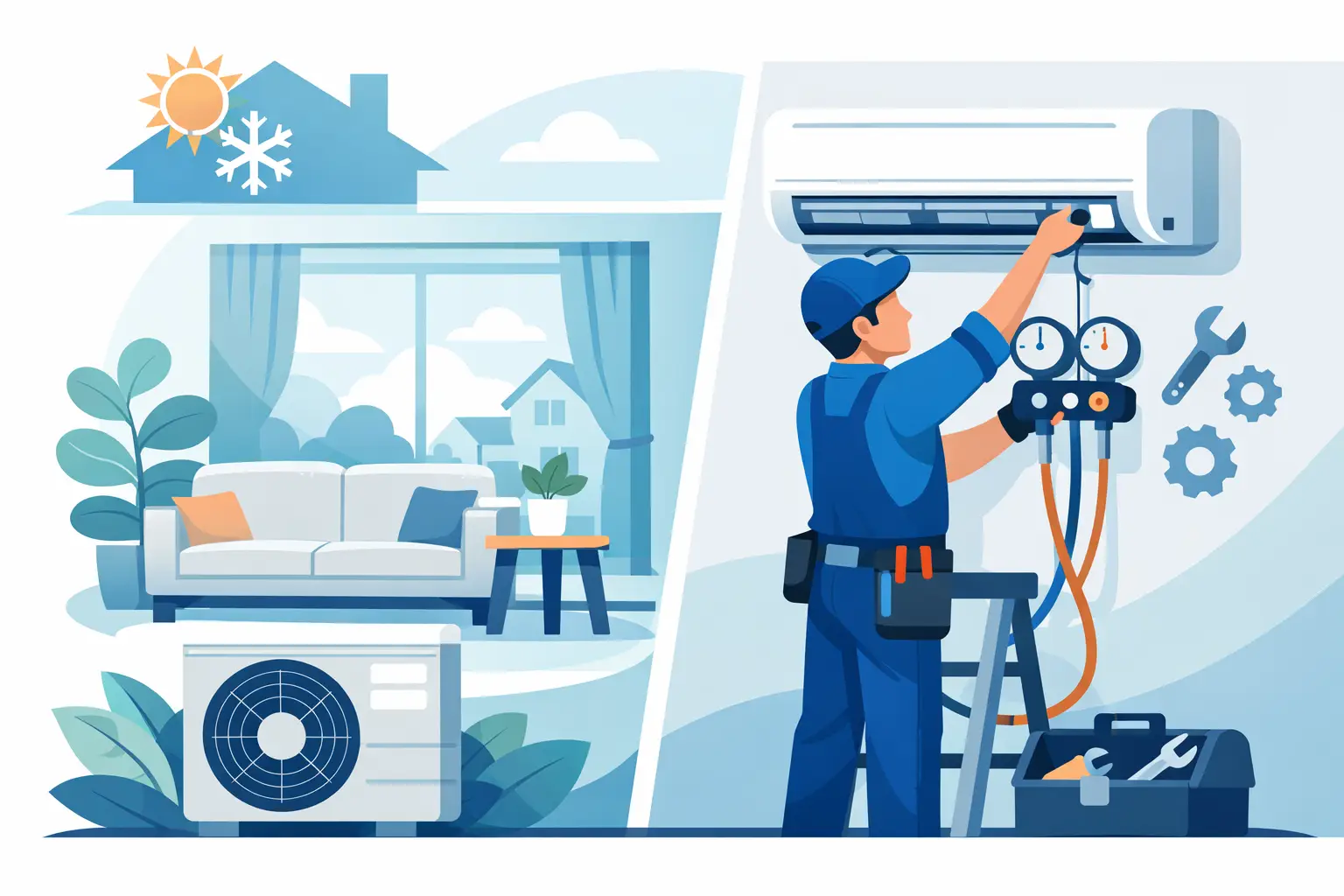
When your air conditioner starts blowing weaker air, takes longer to cool the room, or leaves a musty smell behind, the problem usually did not begin that day. It built up over time. A good residential aircon servicing guide helps homeowners catch those early signs, understand what service actually includes, and avoid bigger repair costs later.
For most homes, air conditioning is not a luxury add-on. It is part of daily comfort, better sleep, and a more livable indoor environment during hot months. That is why servicing should be treated as routine care, not a last-minute fix when a unit stops working. The right approach keeps cooling stable, supports energy efficiency, and helps your system last longer.
Why regular servicing matters in a residential aircon servicing guide
Many homeowners only schedule service when something feels wrong. That is understandable, but it is also when minor issues have had time to grow. Dust buildup on filters and coils, restricted drainage, and reduced airflow can slowly strain the system. You may still get cold air for a while, but the unit has to work harder to deliver it.
Regular servicing helps prevent that extra strain. A technician can clean key components, check performance, and spot wear before it turns into a breakdown. In practical terms, this often means fewer surprise repairs, more consistent cooling, and lower energy waste.
There is also a comfort factor that people notice right away. Clean, properly serviced units tend to cool rooms faster and more evenly. They are also less likely to produce stale odors or drip water indoors.
How often should a home air conditioner be serviced?
There is no single answer for every household because usage patterns matter. A bedroom unit that runs every night will usually need more attention than a guest room unit used only occasionally. Homes with pets, smokers, open windows, or higher dust exposure may also need more frequent cleaning.
As a general rule, a standard residential unit benefits from servicing every three to six months if it is used regularly. If the system runs heavily year-round, more frequent maintenance may make sense. If usage is lighter, you may be able to extend the interval, but waiting too long often leads to lower performance and dirt buildup that is harder to remove.
For landlords and households with multiple wall-mounted units, a scheduled maintenance plan is often the easiest option. It keeps all units on a predictable cycle and reduces the chance that one neglected system creates a larger repair issue.
What professional aircon servicing usually includes
A proper service visit should be more than a quick surface wipe. In most residential cases, the technician will inspect, clean, and test the system so it can operate as intended.
That usually starts with cleaning the air filters, fan coil components, and visible drain areas. Filters clogged with dust reduce airflow, which can affect both comfort and efficiency. The evaporator area may also be checked for dirt accumulation, since buildup there can restrict cooling performance.
The drainage system is another key area. If the drain line is partially blocked, water may back up and lead to leaking. Technicians typically inspect the drainage path and clear minor obstructions before they become a mess inside the home.
A full service often includes checking operating condition, airflow, cooling output, and unusual noise. If anything appears off, the technician may recommend further cleaning, repairs, or deeper chemical treatment depending on the condition of the unit.
Standard servicing vs. deeper cleaning
Not every unit needs the same level of work at every visit. Standard servicing is typically enough for systems that are in decent condition and maintained on schedule. It focuses on cleaning routine buildup and verifying normal performance.
Deeper cleaning may be needed when a unit has been neglected for a long period, has a strong odor, leaks water repeatedly, or shows signs of heavy dirt inside the coil or fan components. In those cases, a more intensive wash can remove stubborn buildup that routine servicing may not fully address.
The trade-off is simple. Standard servicing is faster and appropriate for preventive care. Deeper cleaning is more involved and usually costs more, but it may be necessary to restore performance if the system has already declined. The best choice depends on the current condition of the unit, not just the calendar.
Signs your air conditioner needs service sooner
Some warning signs should not be ignored. Weak airflow is one of the most common. If the setting has not changed but the room takes much longer to cool, something may be restricting the system.
Unusual smells are another sign. A musty odor can point to moisture and dirt buildup. A burnt smell may suggest an electrical issue and deserves prompt attention. Water dripping from the indoor unit is also a clear warning that the drainage system may be blocked or the unit is not operating properly.
Noise matters too. A gentle operating sound is normal, but rattling, buzzing, or sharp vibration is not. Sometimes the cause is minor. Sometimes it points to a loose component or mechanical issue that should be checked before it gets worse.
Higher utility bills can also tell a story. If your cooling habits have stayed about the same but electricity use rises, reduced efficiency may be part of the problem.
What homeowners can do between service visits
Professional servicing is important, but basic upkeep between appointments also helps. The simplest task is checking and cleaning accessible filters if your unit type allows it. A dirty filter affects airflow quickly, especially in homes where the system runs daily.
It also helps to keep the area around the indoor and outdoor units clear. Curtains, furniture, storage boxes, or debris can interfere with airflow and make the system less effective. If you notice water stains, odor, or changing performance, do not wait for the next scheduled appointment to mention it.
That said, homeowners should be careful about doing too much on their own. Opening internal components without proper tools or training can cause damage. Routine care is useful, but deeper servicing should be left to trained technicians.
Choosing the right service provider
Not all servicing is equal, and this is where homeowners can save themselves frustration. A reliable provider should be clear about what is included, realistic about whether a unit needs standard servicing or more extensive cleaning, and responsive when problems are found.
Transparency matters. If a company cannot explain the condition of your system in plain language, it becomes harder to trust the recommendation. You want a team that is technically capable but also practical in how they communicate.
Experience across both residential and more complex cooling systems can also be a good sign. It usually reflects stronger diagnostic ability and more disciplined service standards. Companies such as Easy Cool Engineering Pte Ltd build trust by combining everyday household servicing with wider technical experience, which is valuable when a problem is not as straightforward as a dirty filter.
Cost, value, and when cheaper is not better
Homeowners often compare service prices first, which makes sense. But the lowest price is not always the best value. If a service visit is rushed or incomplete, the unit may still underperform and need another appointment sooner than expected.
A better question is what you are getting for the price. Is the system being properly cleaned and checked? Is the technician looking for early signs of wear or only handling the obvious issue? Is the provider helping you prevent breakdowns, or just reacting to them?
There is always a balance. Some homes do fine with straightforward routine servicing. Others need a more tailored maintenance plan because they use multiple units heavily or have older systems. Paying for the right level of care is usually more cost-effective than paying less for repeated short-term fixes.
A practical schedule for most households
If you are unsure where to start, keep it simple. For a home with regular daily aircon use, servicing every three to four months is a sensible baseline. For lighter use, every six months may be enough if the units remain clean and perform well.
Do not rely on time alone, though. Usage, dust exposure, and system condition should guide the schedule. If one room cools poorly while another unit performs normally, that specific unit may need attention sooner.
The most reliable approach is consistency. Servicing works best when it is planned before problems become disruptive. That is especially true for families, tenants, and landlords who depend on steady cooling and do not want to deal with avoidable downtime.
A well-maintained air conditioner usually does not demand much attention from day to day, and that is exactly the point. When servicing is done on time and done properly, your system stays in the background where it belongs – quiet, efficient, and ready when you need it.