

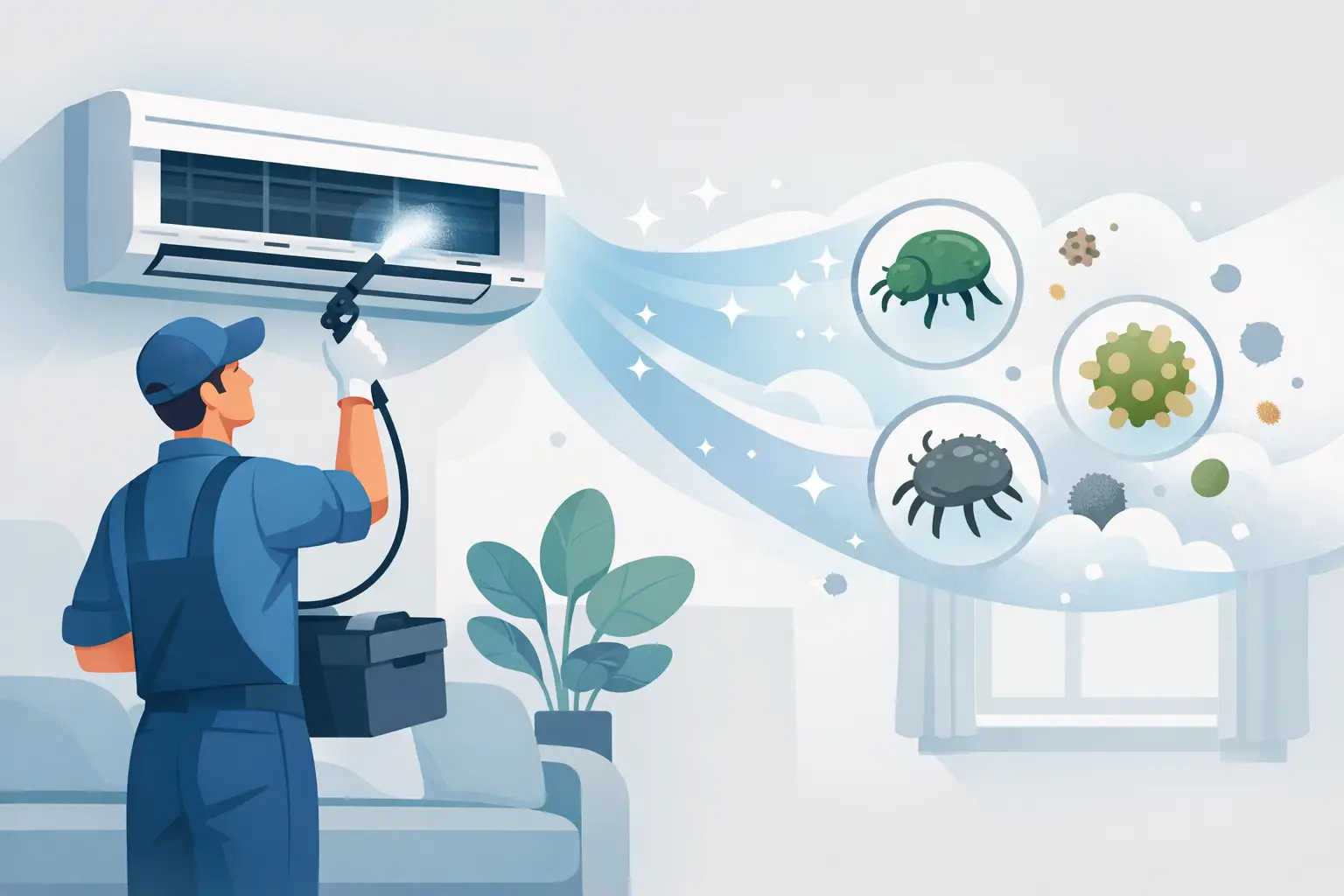
If your air conditioner smells musty when it starts, leaves dust around vents, or seems to trigger more sneezing than comfort, the question is fair: can aircon servicing remove allergens? In many cases, yes – proper servicing can reduce the buildup of dust, mold particles, and other irritants inside the system. But the full answer depends on what is causing the allergy symptoms, how dirty the unit is, and whether the problem is inside the aircon or elsewhere in the space.
For homeowners, tenants, and office managers, this matters because air conditioning does more than cool a room. It also circulates air through filters, coils, blowers, and drain systems. When those components are clean and working properly, the system can help keep indoor air more comfortable. When they are neglected, the same system can spread particles around the room or create damp conditions where mold can grow.
Can aircon servicing remove allergens from indoor air?
Aircon servicing can help reduce allergens, but it does not remove every allergen in a room or building. A service technician can clean the parts of the unit that collect dust, dirt, moisture, and biological buildup. That often includes filters, the evaporator coil, the fan blower, drain tray, and drainage line. If those areas are dirty, every cooling cycle can push contaminated air back into the room.
This is why some people notice fewer allergy symptoms after a proper service. The air coming from the unit may smell fresher, airflow may improve, and there may be less recirculation of trapped particles. In that sense, servicing supports better indoor air quality.
Still, servicing is not a cure-all. If allergens are coming from carpets, bedding, curtains, pets, outdoor pollen, or poor ventilation, aircon cleaning alone will not solve the whole issue. It is one part of a broader indoor air quality picture.
What allergens can build up inside an aircon system?
Air conditioners can collect several types of irritants over time. Dust is the most common. As air passes through the system, particles settle on filters and internal components. If servicing is delayed, some of that dust can move deeper into the unit.
Mold spores are another concern, especially in humid conditions or in systems with poor drainage. The evaporator coil naturally creates condensation during cooling. If moisture does not drain properly, damp surfaces can encourage microbial growth. That can lead to musty odors and may aggravate allergies or respiratory discomfort.
Pollen can also enter from open windows, doors, or clothing and then circulate indoors. In some cases, fine debris, pet dander, and lint become trapped in the unit as well. Commercial spaces may see even more buildup because of longer operating hours, higher foot traffic, or ventilation issues.
How servicing actually helps
The most immediate benefit of servicing is removal of accumulated dirt from parts that directly affect airflow. When filters are cleaned or replaced, they can do a better job catching particles instead of letting them pass through. When coils and blowers are cleaned, the system can move air more efficiently and with less contamination attached to internal surfaces.
Drain cleaning matters too. A blocked or dirty drain line can leave standing water inside the unit. That does not just affect performance. It can also create an environment where mold and bacteria are more likely to develop. A proper service checks for this and clears the drainage path.
In heavily used systems, a more thorough wash may be needed if standard cleaning is not enough. That depends on the condition of the unit. Light dust buildup and early-stage odor issues may improve with routine servicing. Thick grime, visible mold, or long-neglected equipment may require deeper cleaning and inspection.
What aircon servicing cannot do
A well-maintained air conditioner can reduce some airborne irritants, but it cannot sanitize your entire property. If someone in the home is highly sensitive to dust mites, the biggest triggers may be mattresses, upholstered furniture, rugs, or soft furnishings rather than the aircon itself.
The same applies in offices and commercial properties. Servicing a wall-mounted or split system helps the equipment perform better, but it will not fix dirty carpets, neglected ducts, water-damaged ceiling tiles, or poor housekeeping practices.
There is also the filter question. Not every aircon unit is designed with high-grade filtration. Many standard residential systems use filters that are effective for larger dust particles but less capable with very fine allergens. Servicing keeps those filters functioning as intended, but it does not turn a basic filter into a medical-grade air purifier.
Signs your aircon may be contributing to allergy symptoms
Some warning signs are easy to miss because they build gradually. If people in the room start sneezing more when the unit turns on, that is worth attention. Musty smells are another common clue, especially after the system has been off for several hours.
Weak airflow can also signal dirty internal components. When dust and grime build up on coils and blowers, the unit has to work harder to cool the room. That often comes with poorer air circulation and reduced comfort. Water leaks, unusual condensation, or a slimy drain tray can point to moisture issues that may support mold growth.
Not every symptom means the aircon is the source, but these signs suggest the system should be inspected rather than ignored.
How often should you service an aircon for better air quality?
For most homes, regular servicing every few months is a sensible baseline, especially in warm climates where air conditioning runs often. Households with pets, young children, elderly family members, or allergy-sensitive occupants may benefit from more frequent checks.
Commercial spaces usually need a stricter schedule because systems run longer and collect more contaminants. Offices, retail units, food-service environments, and high-traffic properties often cannot wait until performance drops. Preventive maintenance is usually more effective than reactive cleaning.
The right frequency depends on usage, indoor conditions, and the type of system. A bedroom unit used only at night will not collect buildup at the same rate as an office system running all day. What matters is consistency. Waiting until there is a smell, leak, or major performance issue usually means the unit has already been under stress for some time.
Servicing vs. deep cleaning: knowing the difference
Routine servicing typically covers the core maintenance tasks needed to keep an aircon clean and working properly. This is often enough for systems that are serviced on schedule. It helps control dust buildup, supports airflow, and reduces the chance of moisture-related problems.
Deep cleaning becomes more relevant when a unit has been neglected, has recurring odors, shows signs of heavy dirt accumulation, or has persistent drainage issues. In those cases, a more detailed cleaning of internal parts may be needed to remove material that standard servicing cannot fully address.
This is where professional assessment matters. A trustworthy technician should explain what the unit needs based on its condition, not recommend the most aggressive option by default.
Why professional servicing matters
Basic filter cleaning can be done by occupants, but internal cleaning should be handled carefully. Aircon systems contain electrical components, delicate fins, drainage parts, and moving pieces that can be damaged by improper handling. Poor cleaning can leave moisture where it should not be, bend components, or push dirt deeper into the unit.
Professional servicing brings a more complete approach. The technician can inspect the unit, identify hidden buildup, check drainage, assess performance, and flag issues before they become expensive repairs. For businesses, that also means less disruption and better system reliability.
This is one reason many customers prefer a service partner with both residential and commercial experience. A company used to handling everything from home split units to more demanding cooling systems is usually better positioned to spot problems early and recommend practical next steps.
A realistic way to think about allergens and aircon care
If your goal is cleaner indoor air, aircon servicing is worthwhile – just with realistic expectations. It can remove a meaningful source of dust, mold-related buildup, and trapped particles inside the unit. It can also improve airflow, reduce musty smells, and help the system operate more cleanly.
At the same time, allergy control usually works best as a combined effort. Clean the aircon, manage dust in the room, address moisture problems, and pay attention to ventilation. If symptoms persist even after servicing, the issue may be broader than the cooling system alone.
For many homes and workplaces, regular maintenance is the practical place to start. A clean, properly functioning air conditioner will not solve every air quality problem, but it can remove one common source of irritation and make the space feel easier to live and work in. When comfort and clean airflow matter, staying ahead of buildup is usually the smarter move than waiting for the problem to announce itself.